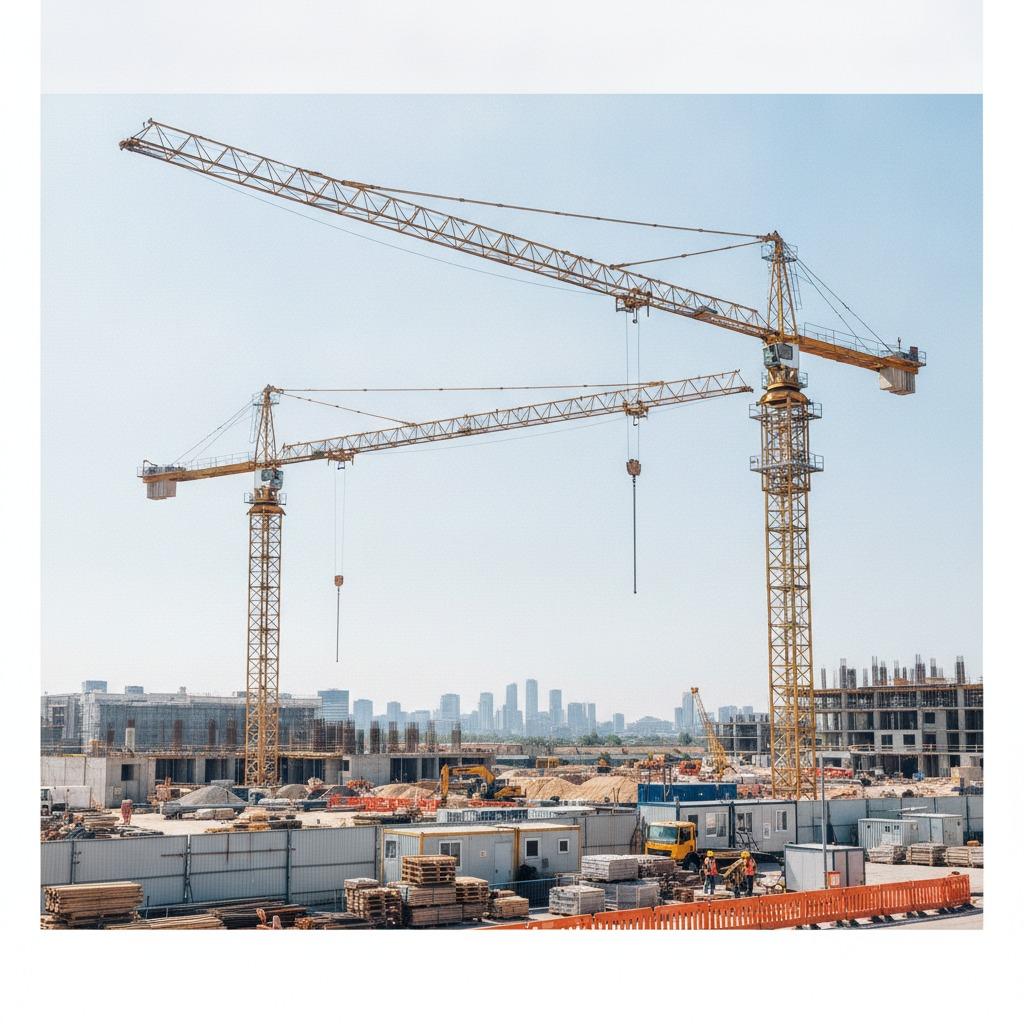
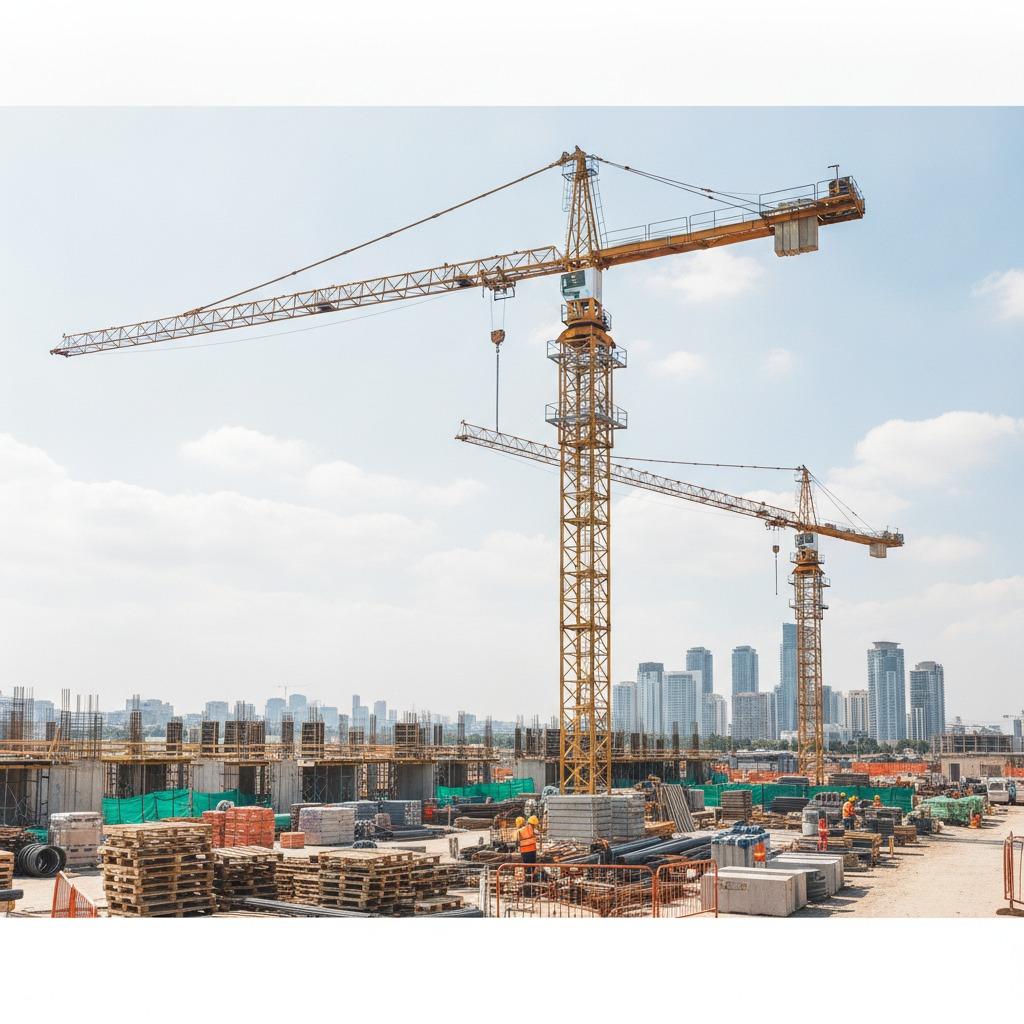
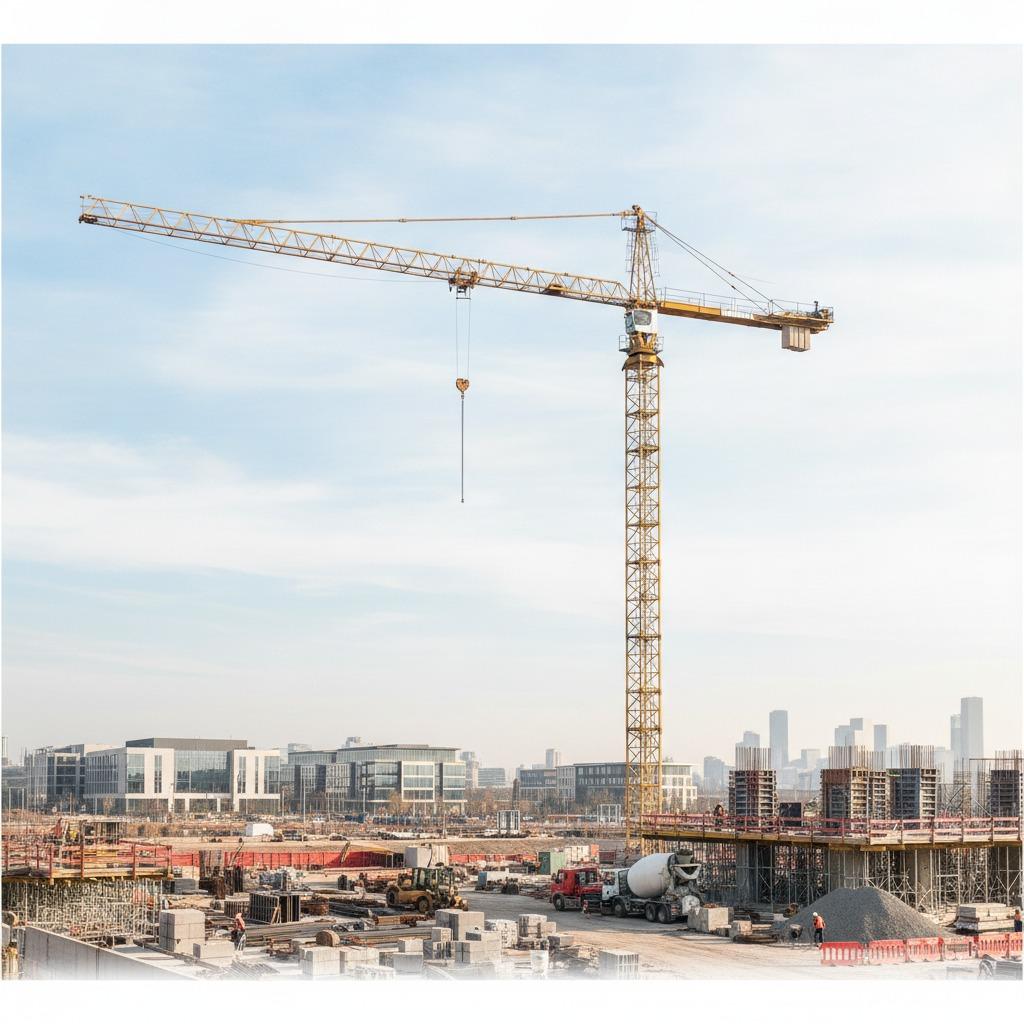
Buying a used tower crane: what matters before the price
A used tower crane can solve a hard problem fast: you need vertical lift on a site that has already committed too much budget to accept a new machine, but too much schedule pressure to wait. That is why buyers search for a second hand tower crane, a pre-owned tower crane, or even a cheap tower crane when the project is already moving. The temptation is obvious. The risk is also obvious. On a crane, the visible price is only one part of the equation.
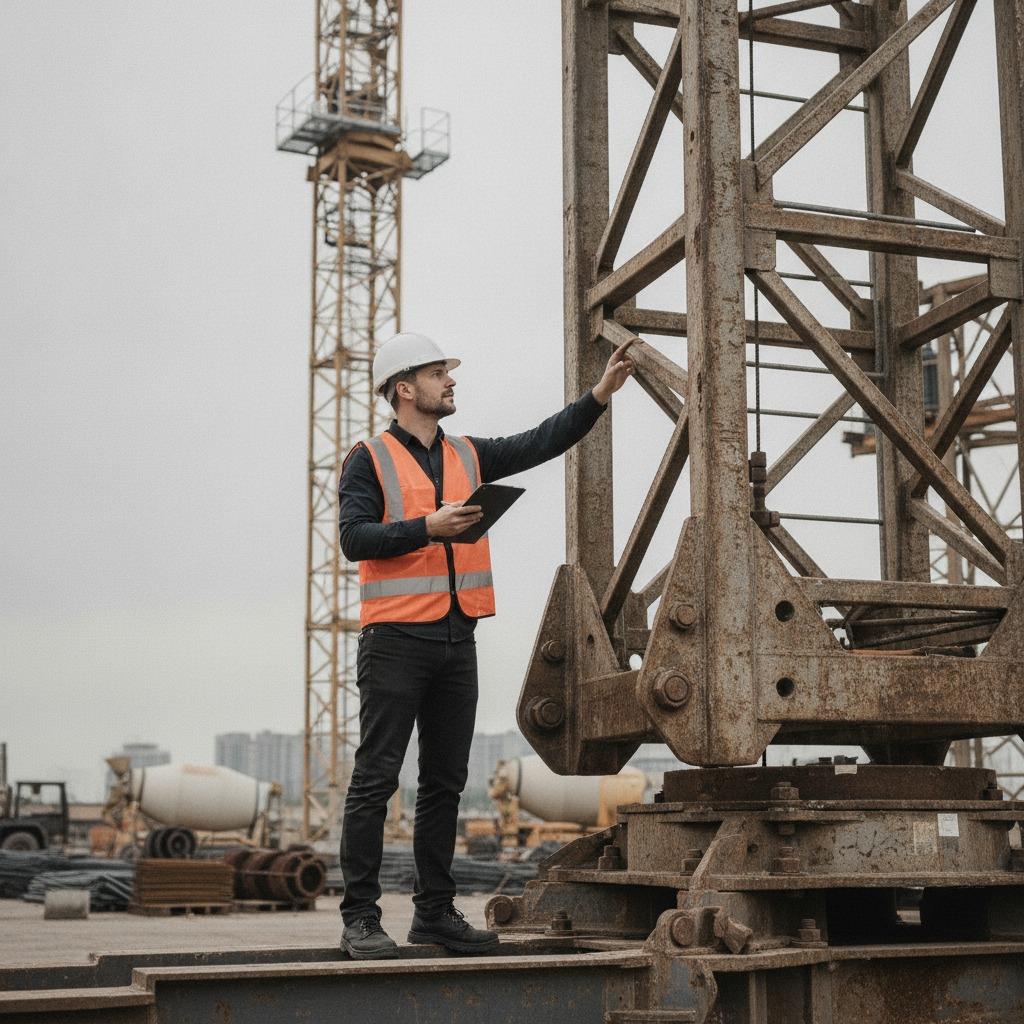
For engineers and sourcing teams, the real decision is not whether used construction equipment is inherently good or bad. It is whether the machine matches the job, the site conditions, the assembly plan, and the maintenance standard your team can actually support. A tower crane supplier may be able to offer a machine quickly, but the buyer still has to verify structure, configuration, and paperwork before a deal becomes useful.
Why tower crane condition is more important than age
Tower cranes are built around modular steel sections: mast segments, jib sections, counter-jib assemblies, hook gear, trolley travel components, and a base or tie-in arrangement. A crane can look serviceable from a distance and still carry hidden wear where it matters most. Pins, bolted joints, slewing interfaces, wire rope paths, and electrical components often tell a more honest story than paint.
That is especially true with a used construction crane pulled from a busy jobsite. The structure may still be sound, but the operating life of consumables and high-stress components can vary widely depending on duty cycle, maintenance, and how carefully the crane was dismantled. A buyer should not assume that all pre-owned tower crane listings are equivalent just because the silhouette looks familiar.
Quick comparison: what the main tower crane types suggest
Not every tower crane is suited to the same kind of project. A luffing jib tower crane is often chosen where space is tight and swing radius needs to be controlled around adjacent structures. A flat top tower crane is commonly favored on jobs where multiple cranes may need to work in proximity, since the absence of a top tower section can simplify overlap planning. Both are widely used in dense urban work, but they serve different site constraints.
When you evaluate a used tower crane, the type matters because it changes erection complexity, transport needs, and maintenance exposure. A buyer looking only at price may miss the practical cost of matching the crane to the site layout.
What to inspect on a pre-owned tower crane
Structure and joints
Look closely at lattice mast sections, boom chords, welded nodes, and bolted connections. Surface corrosion is not always a deal-breaker, but cracking, distortion, elongated holes, or inconsistent repairs should trigger a harder review. If the crane has been repeatedly assembled and dismantled, connection quality deserves as much attention as the boom length.
Hoist and trolley system
The hook line, trolley carriage, sheaves, and hoist drums influence daily reliability. A worn rope path can lead to uneven travel and higher maintenance frequency. On a machine that is already “cheap,” hidden running costs can erase the saving quickly.
Controls, power, and documentation
Do not skip the electrical cabinet, drive components, or control system history. Even when the crane is sold as used construction equipment, buyers still need a practical path to commissioning, spare parts, and safe operation. If the seller cannot provide a clear service record, the deal becomes more speculative than industrial.
Where buyers make expensive mistakes
The most common mistake is chasing the lowest purchase number without checking dismantling quality. A crane that was removed in a rush may carry damage that is not obvious in photos. Another mistake is underestimating local compliance work. A tower crane that looks acceptable on paper still needs proper verification before it is accepted onto a live site.
There is also a tendency to overvalue a recognizable brand name. For example, a used Zoomlion tower crane may attract interest because the brand is familiar in the market, but the model, configuration, and service history still matter more than the logo alone. Brand recognition does not replace inspection.
Practical buyer advice for sourcing teams
Start with the project, not the listing. Ask whether the crane needs long horizontal reach, high hook height, or compact operation between neighboring structures. Then compare the available machine against those needs. A tower crane with a tall mast and a long jib may be ideal on a high-rise project, but overkill on a smaller site where transport and erection costs dominate.
It is also worth asking how the machine will be erected, tied in, and eventually removed. Many buyers focus on the used tower crane itself and forget the logistics around it. That oversight can turn a good purchase into a schedule problem.
FAQ: short answers buyers usually need
Is a cheap tower crane always a good deal?
No. A low purchase price can hide transport, refurbishment, inspection, and commissioning costs.
Should I choose a flat top tower crane or a luffing jib tower crane?
It depends on site congestion and lifting plan. Flat top designs suit some multi-crane jobs; luffing jib models are often better where swing clearance is tight.
Can a second hand tower crane be a reliable option?
Yes, if the structure, controls, service history, and installation plan are all checked carefully. Reliability comes from condition and support, not age alone.
What to ask a tower crane supplier before you commit
Request the machine configuration, maintenance records, available photos of key structural joints, and the scope of any refurbishment. If the seller cannot supply enough detail to judge the crane honestly, keep looking. A used tower crane is a capital purchase with safety implications, not just a bargain item in a clearance list.
If you are comparing options now, build a short checklist around structure, type, logistics, and support. That approach will usually save more money than trying to negotiate another small discount on the sticker price.