Buying a used tower crane: what matters before you sign
A used tower crane can make sense when a project needs serious lifting capacity without the cost of a brand-new machine. That is especially true on multi-story jobs, tight urban sites, and infrastructure work where material has to move both vertically and across a wide radius. But the phrase used tower crane covers a lot of ground. A buyer is not just comparing prices; they are deciding whether the machine can still be trusted for safe, repeatable lifting under real site conditions.
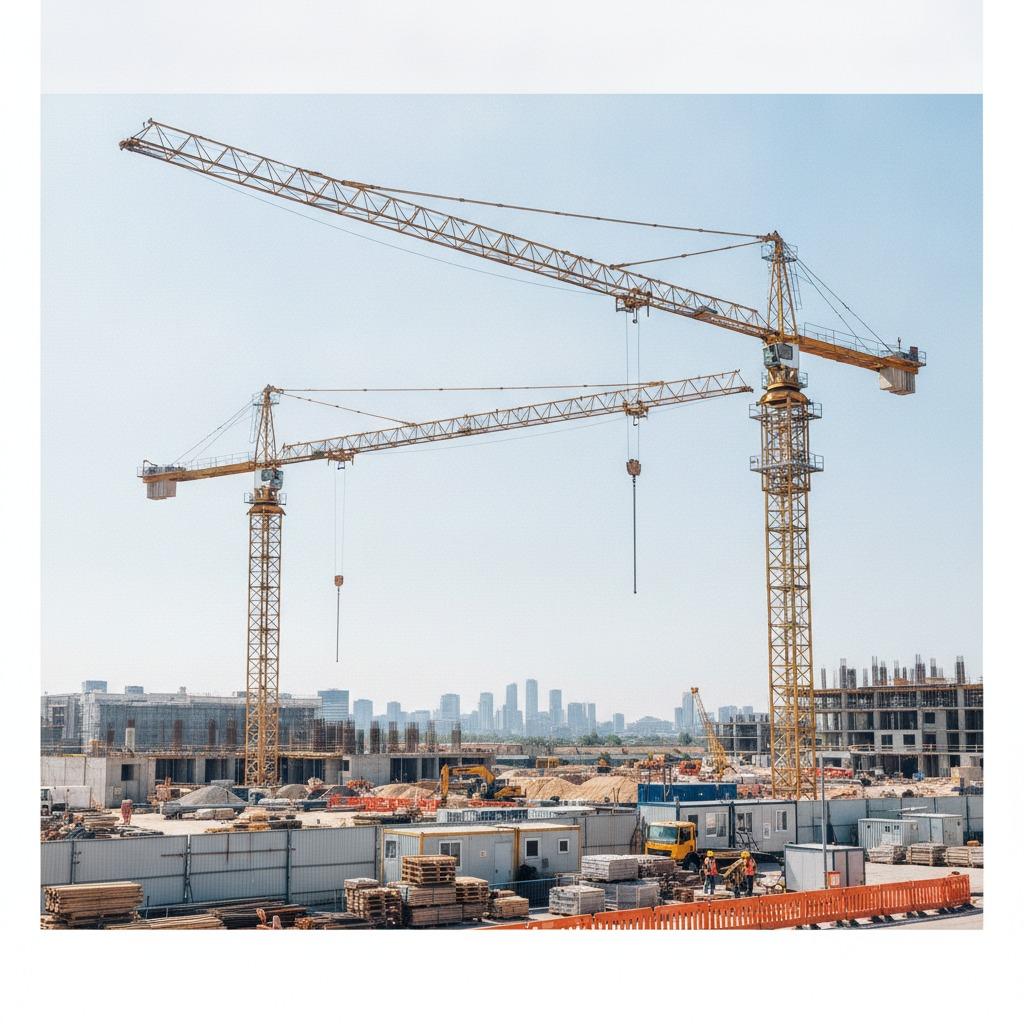
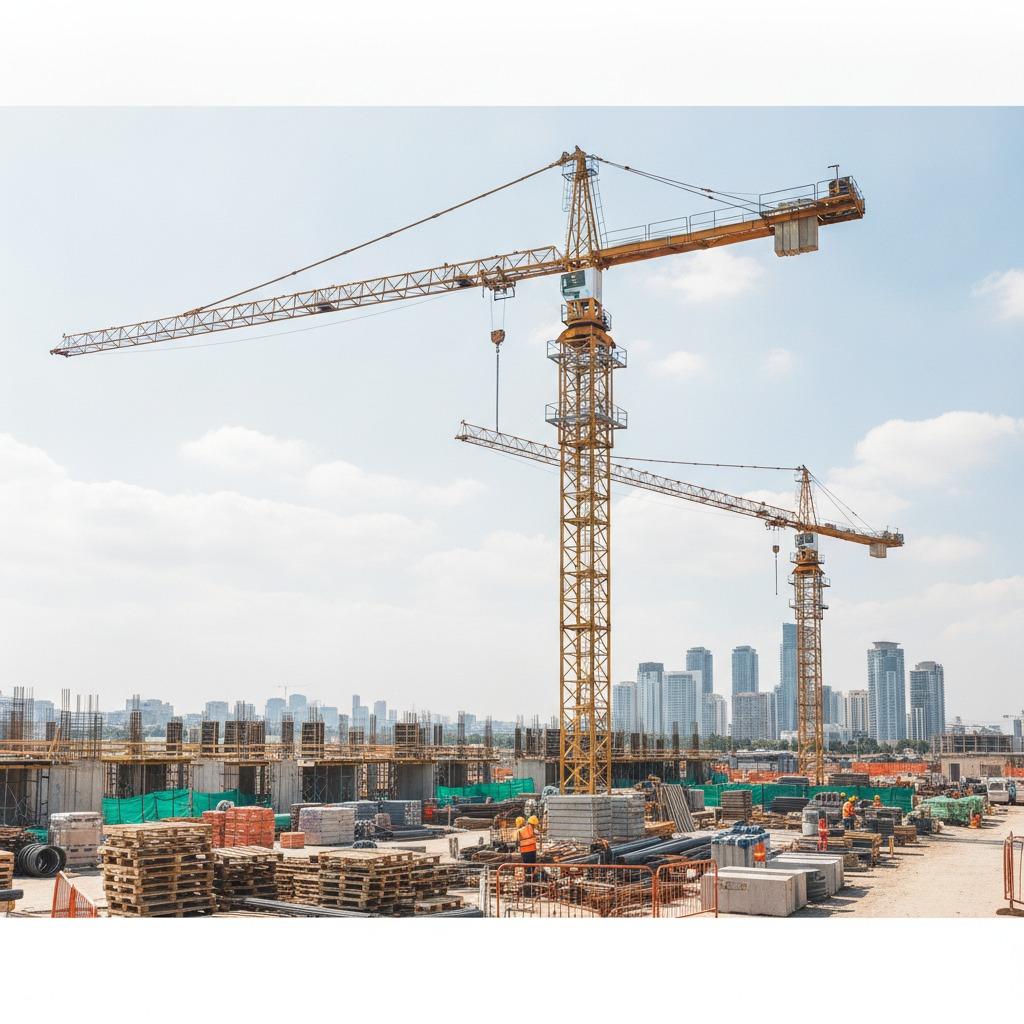
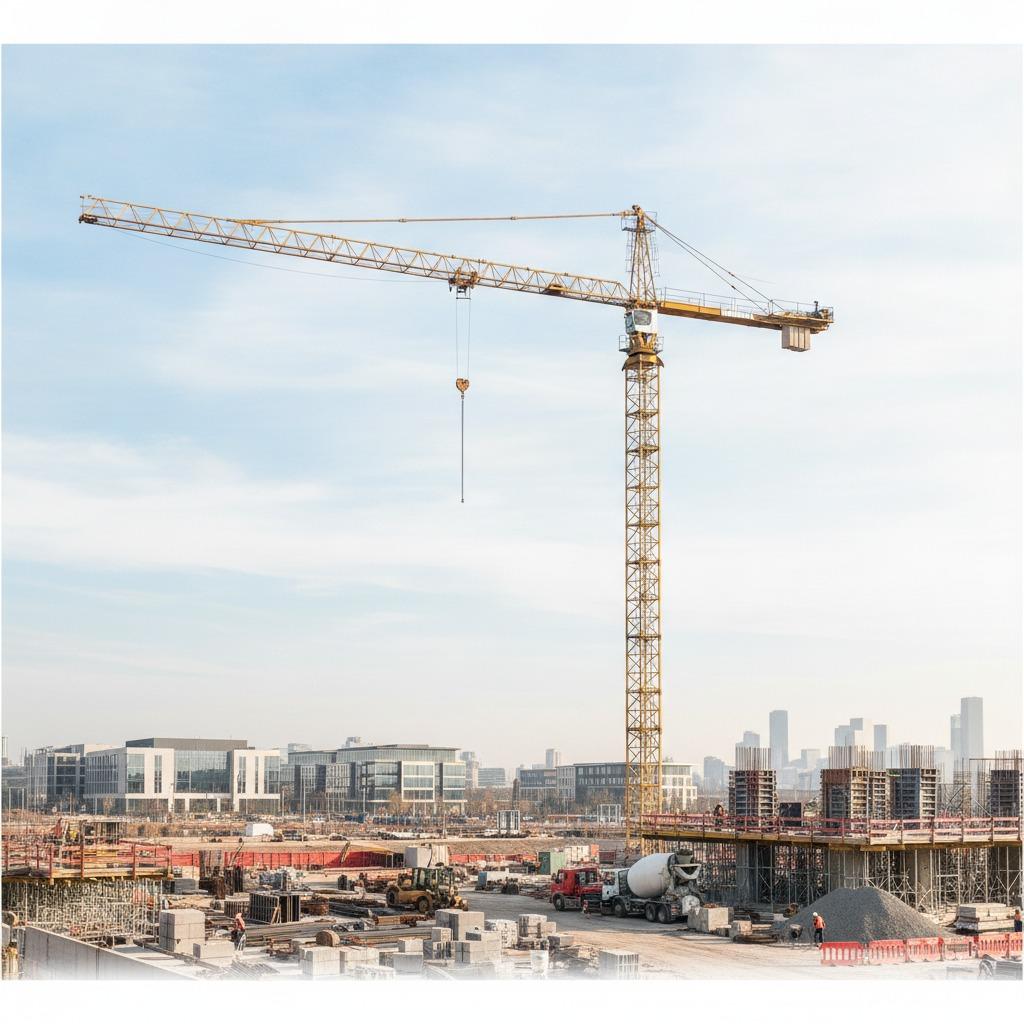
The picture is straightforward enough: a lattice steel mast, a long horizontal jib, a counter-jib, and the sort of top-slewing layout engineers expect on a modern tower crane. What you cannot tell from the outside is often what matters most. Hours, maintenance history, repair quality, and compatibility with the planned foundation or climbing sequence all affect whether a second hand tower crane is a smart buy or a headache waiting to happen.
Why used equipment can be the practical choice
In construction, capital budgets are rarely neat. A pre-owned tower crane can help a contractor preserve cash for labor, formwork, or schedule-critical trades. It may also be the only realistic route for smaller firms that need access to high-reach lifting but do not want to carry the full burden of new equipment ownership.
That said, “cheap” is not the same as economical. A cheap tower crane with patchy service records can cost more over the life of the job than a better-kept unit with a higher purchase price. The deciding factor is not sticker value; it is risk-adjusted productivity. If the crane spends days waiting for parts, calibration, or structural inspection, the savings disappear fast.
Key crane types buyers usually compare
Most sourcing conversations narrow quickly to a few familiar layouts. A flat top tower crane is popular on crowded sites because the absence of a top tie point can simplify installation and reduce interference with nearby cranes. A luffing jib tower crane is often chosen where airspace is limited, such as dense city centers or sites with overlapping lifting envelopes. For many general building jobs, a standard top-slewing tower crane remains the default because it is versatile and widely understood.
When buyers search for a used construction crane, the practical question is not just type. It is whether that configuration matches the site plan, the lifting radius, and the assembly method available to the contractor. A unit that is perfect for one job may be awkward on another.
What to check on a pre-owned tower crane
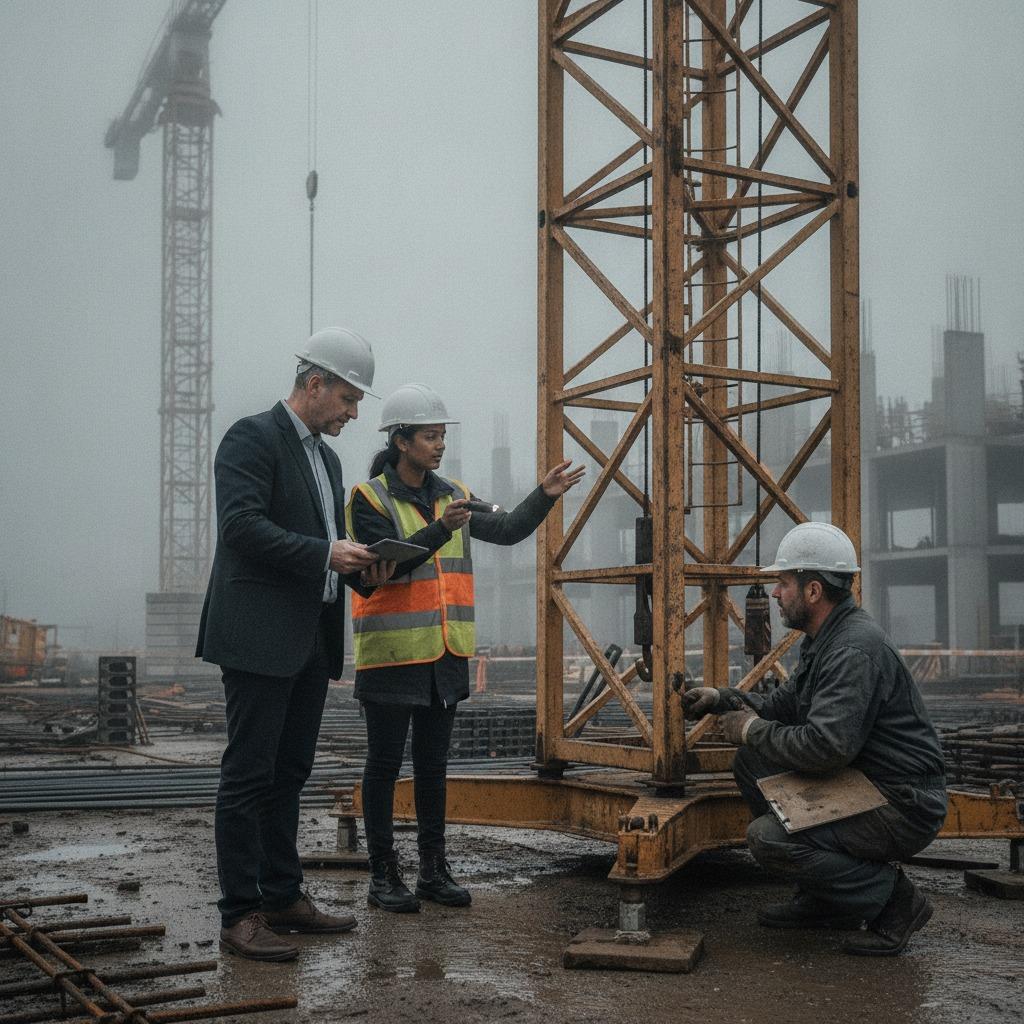
Start with the structure. The mast sections, boom sections, and counter-jib should show clean fabrication history, not improvised fixes. Look for distortion, cracked weld repairs, corrosion in bolted joints, and uneven paint that may hide past damage. Industrial steel equipment can age well, but only if it has been treated as a structural asset rather than just a machine.
Then look at the operating components: trolley movement, hoist line condition, hook block, slewing interface, and electrical systems. Even without exact brand details, a buyer should ask for maintenance logs, replacement records, and any inspection reports that are available. If those documents are incomplete, treat the unit cautiously. Missing paperwork is not always a deal-breaker, but it should lower confidence and raise the bar for onsite inspection.
Also confirm whether the crane is fixed-base, climbing, or self-erecting. That detail changes transport planning, foundation requirements, and the installation crew needed on site. It is one of those issues that sounds minor during negotiations and becomes expensive later.
Common mistakes when sourcing used construction equipment
The most common mistake is buying by headline dimensions alone. Tall mast height and long boom reach look impressive, but they do not tell you whether the crane suits the required load chart at the relevant radius. Another frequent error is assuming that one used zoomlion tower crane or any other branded unit is automatically a safe buy because the name is familiar. Brand recognition helps with parts and technical familiarity, but it does not replace inspection.
Buyers also under-estimate logistics. A tower crane supplier can help with transport and assembly, but the cost and complexity may vary more than expected depending on section sizes, local access, and the need for skilled erection crews. If the site is constrained, those soft costs can dominate the deal.
Practical buyer advice before you choose a supplier
Ask for the crane’s service history, the available spare parts support, and clarity on what is included in the sale. Some offers cover only the steel structure; others may include trolley gear, electrical cabinets, or erection accessories. That difference matters. It is also wise to verify whether the crane has been stored properly. A machine parked outdoors for years may look fine from a distance and still need substantial refurbishment.
If you are comparing a second hand tower crane against a newer unit, frame the decision around project duration, installation complexity, and downstream maintenance. A long job with repeated lifts may justify a more carefully rebuilt crane. A short-term project might favor flexibility and fast delivery, provided the equipment is structurally sound.
FAQ: quick answers buyers usually want
Is a used tower crane always a lower-risk choice for shorter projects?
Not necessarily. Short projects still require safe assembly, inspection, and a stable foundation. A problematic crane can burn time even on a brief job.
Can a pre-owned tower crane work for high-rise construction?
Yes, if its configuration, reach, and lifting performance match the project requirements and if the installation plan has been checked carefully.
What should I ask a tower crane supplier first?
Start with condition, documentation, transport scope, assembly support, and whether the crane configuration suits your site. Those five questions eliminate many bad fits early.
Next step
If you are sourcing used construction equipment, do not treat the crane as a commodity. Compare the structure, records, and installation plan together. The right used tower crane should reduce project risk, not simply lower the purchase price.