Why buyers look at a used tower crane in the first place
A used tower crane can make sense when a project needs height, reach, and site-wide material handling without the delay of buying new. For contractors, developers, and equipment managers, the question is usually not whether a tower crane can do the job. It is whether a pre-owned tower crane can do it reliably, with acceptable risk and a cost structure that fits the project.
That matters because tower cranes sit in the middle of project logistics. They move rebar, formwork, concrete buckets, pallets, and structural steel across a footprint that can be hard to serve with mobile lifting equipment. If the crane is wrong for the job, the whole site feels it: longer lift cycles, awkward landing zones, and more stoppage around critical pours or steel set days.
What the image tells you, and what it does not
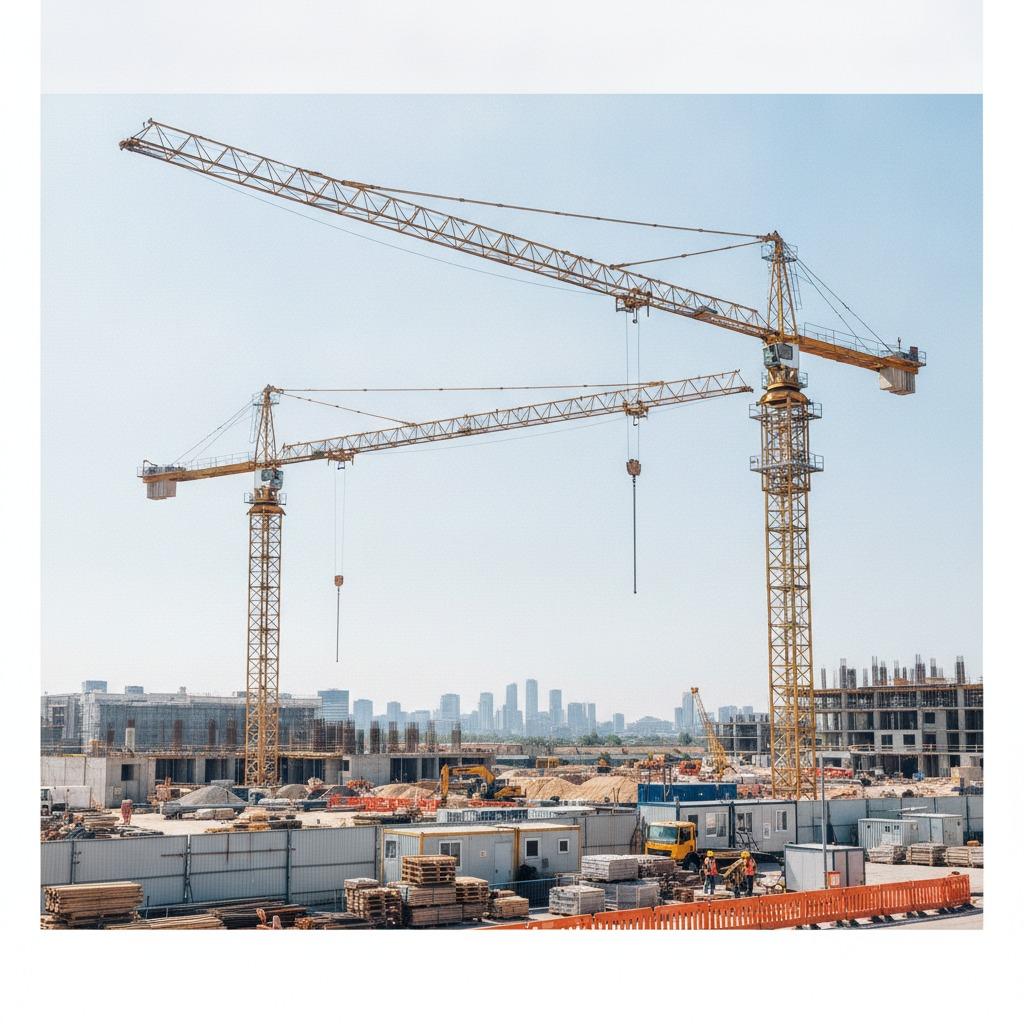
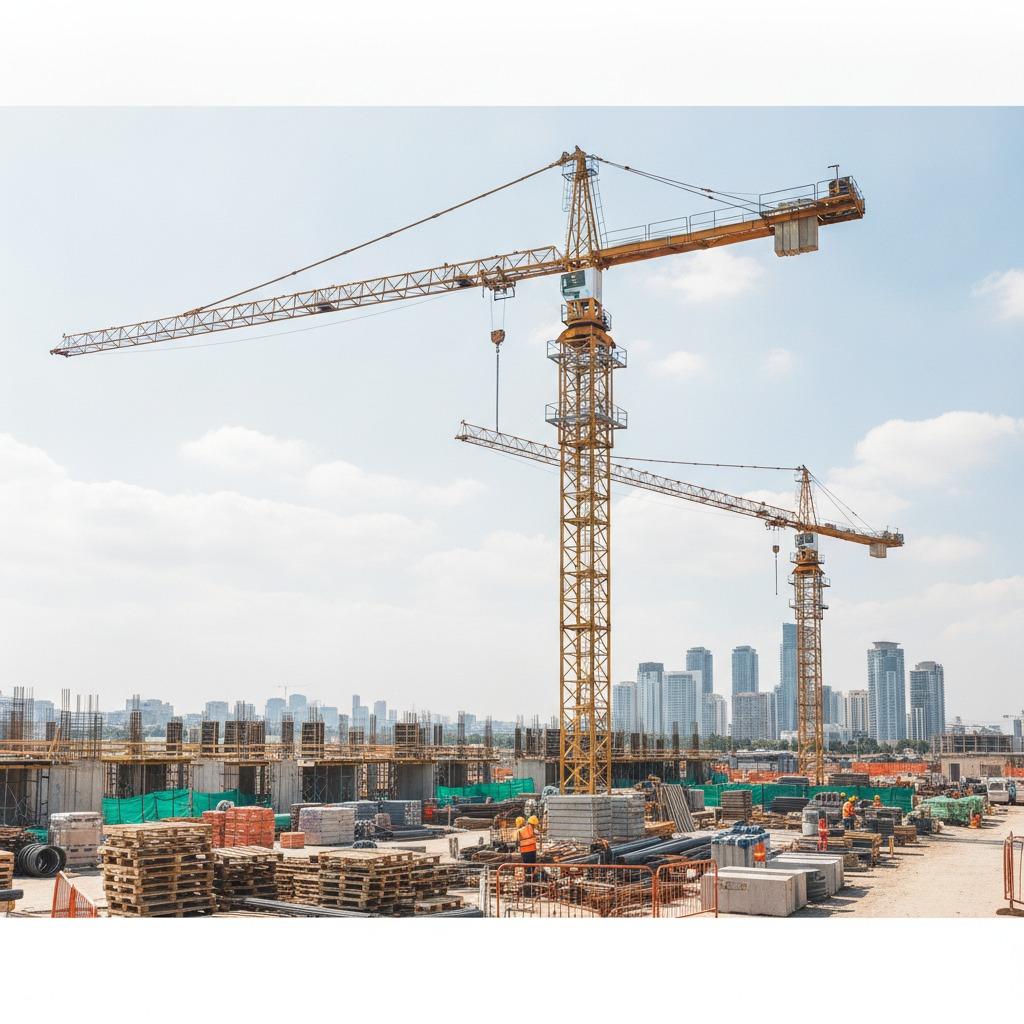
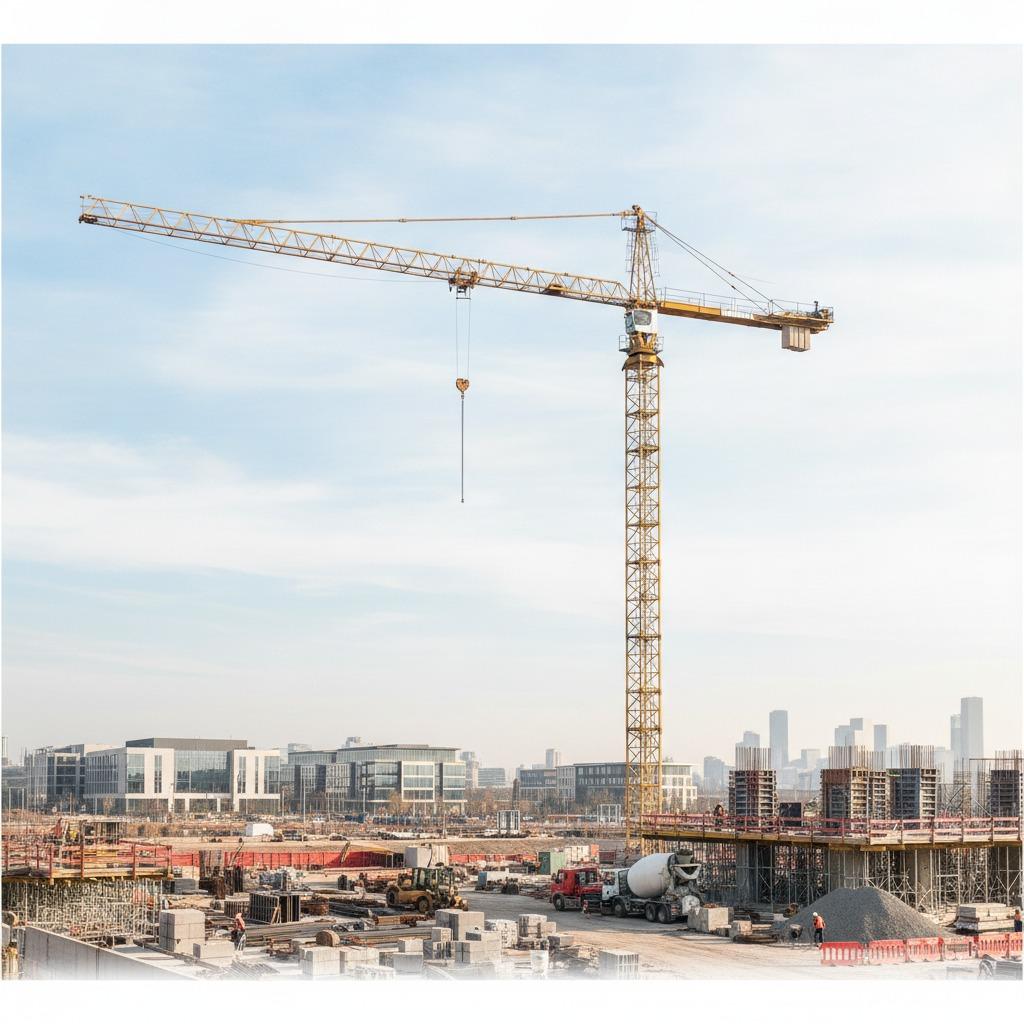
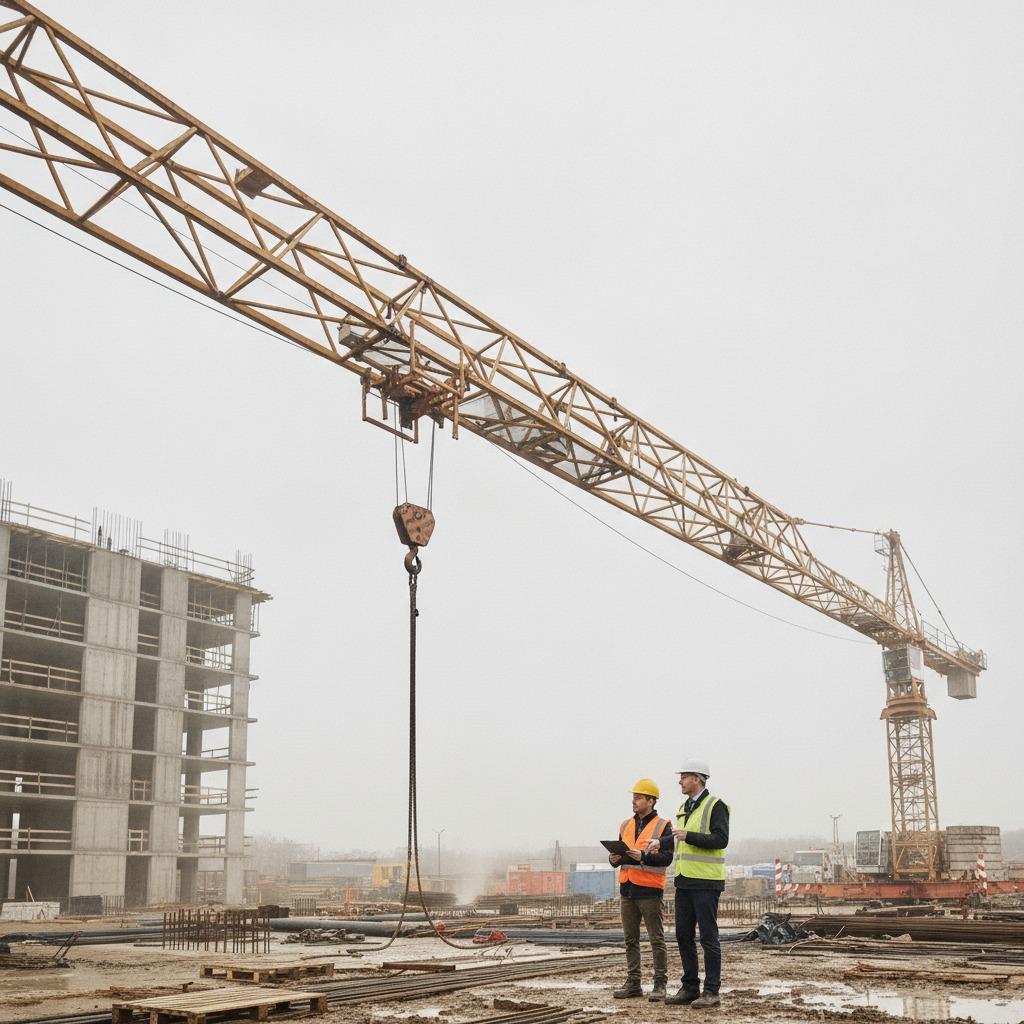
The visible machine is a steel lattice tower crane with a tall mast, horizontal jib, counter-jib, hook block, and operator cab. The structure appears painted in a yellow to orange industrial finish. That alone tells a sourcing manager a few useful things: the unit is built for outdoor service, it is designed for vertical and horizontal load movement, and it has the open lattice geometry that reduces dead weight while keeping structural rigidity.
What it does not tell you is just as important. Exact lifting capacity, boom length, hook height, brand, model, power system, and certification status are not visible. Those details decide whether the crane fits a high-rise core, a long-reach site, or a tighter urban job where a luffing jib tower crane may be a better fit than a flat top tower crane.
Used tower crane, second hand tower crane, pre-owned tower crane: the practical difference
In buying terms, these phrases often point to the same market, but the condition behind the words can vary a lot.
A second hand tower crane may be a straightforward transfer from one contractor to another. A pre-owned tower crane can sound a little cleaner, but it still needs the same hard questions: how many working cycles has it seen, what maintenance records exist, and whether major wear items have already been replaced.
A used construction crane should be judged less by the sales language and more by the evidence. Buyers usually want to know about mast sections, slewing unit condition, trolley and hoist function, electrical systems, and whether the counter-jib and counterweights match the intended configuration. Missing paperwork is not a small issue; on site, it can become a scheduling problem before it becomes a technical one.
Which jobs this equipment suits best
For large-scale building work, the appeal is straightforward. A tower crane gives you height and reach in a fixed footprint, which helps when the project needs repeated lifts over the same area. That is useful for multi-story residential towers, commercial buildings, concrete-frame work, and structural steel placement.
It is less attractive when the job is short, scattered, or constantly changing. In those cases, used construction equipment with more mobility may be the better financial decision. A tower crane is not just a purchase; it is a site strategy.
Typical buying situations
Contractors often start looking at used tower crane inventory when:
- the project duration does not justify a new machine,
- the site already has the foundation and erection plan ready,
- the team needs a known lifting platform quickly,
- or the budget favors a cheaper tower crane, provided condition and support are acceptable.
That last point deserves caution. Cheap rarely means inexpensive once erection, transport, inspection, and downtime are added up.
How to evaluate a tower crane supplier
A tower crane supplier should be able to discuss configuration, documentation, and after-sale support without hand-waving. Ask for the crane’s identity as early as possible: model, section compatibility, service history, and what is included in the sale. If the seller mentions a used Zoomlion tower crane or another specific make, verify the exact unit rather than assuming any crane of the same brand will fit the same project.
The practical checklist is not glamorous, but it saves trouble:
- visible structural condition of mast and jib sections,
- operation of trolley, hoist, and slewing functions,
- condition of electrical cabinets and cab controls,
- availability of manuals and inspection records,
- compatibility of counter-jib, counterweights, and base system,
- and whether spare parts are realistically obtainable.
Common mistakes buyers make
The biggest mistake is buying on reach alone. Long horizontal outreach looks impressive, but a crane that can span the site still has to lift the actual loads the project needs. Another common error is treating a tower crane like generic used construction equipment. It is more specialized than that, and the installation and commissioning burden is heavier.
A quieter mistake is choosing a luffing jib tower crane or flat top tower crane based on terminology instead of job conditions. Urban clearance, nearby structures, wind exposure, and assembly constraints matter. The right profile for one site can be awkward on the next.
Buyer advice before you commit
If you are comparing a used tower crane against new equipment, frame the decision around total project value, not just purchase price. Ask how often the crane will lift, what the critical picks are, and how much the site loses if the machine sits idle for a day.
If possible, inspect the machine in person or through a qualified third-party review. Tower cranes are built from welded and bolted steel sections, and those details reward careful checking. Surface paint may look fine from a distance; wear, deformation, and service neglect usually do not.
For teams sourcing from a tower crane supplier, the most useful answer is not “yes, it works,” but “here is exactly what you are getting, and here is what remains to be verified.” That kind of clarity is worth more than a polished sales pitch.
FAQ: quick answers buyers usually need
Is a used tower crane always the cheapest option?
No. Transport, erection, inspection, and any refurbishment can change the economics quickly.
Can I choose between a flat top tower crane and a luffing jib tower crane?
Yes, but the choice depends on site constraints, reach, and nearby obstructions. The machine type should match the project, not the other way around.
What should I verify first?
Start with structural condition, service records, and configuration compatibility. Then look at support, parts access, and installation planning.
Next step for sourcing teams
If your project is moving from planning into procurement, compare the crane’s visible structure, documented history, and site requirements side by side. A used tower crane can be a smart fit, but only when the machine, the supplier, and the jobsite conditions line up cleanly. That is the point where the purchase stops being a gamble and starts looking like a workable lifting plan.