What buyers really need to know about a used tower crane
A used tower crane can be a practical way to secure lifting capacity for a high-rise, infrastructure, or congested urban project without committing to a brand-new machine. That is the appeal, anyway. The harder part is sorting a serviceable second hand tower crane from one that looks complete in photos but carries expensive problems beneath the paint.
For engineers and sourcing teams, the decision is rarely about price alone. It is about whether the crane still suits the job: the required height, outreach, lifting pattern, site layout, erection method, and power arrangement. A cheap tower crane may seem attractive on paper, but if it forces extra tie-ins, longer assembly, or limits the type of materials you can lift, the savings can disappear quickly.
Why the crane type matters more than the label “used”
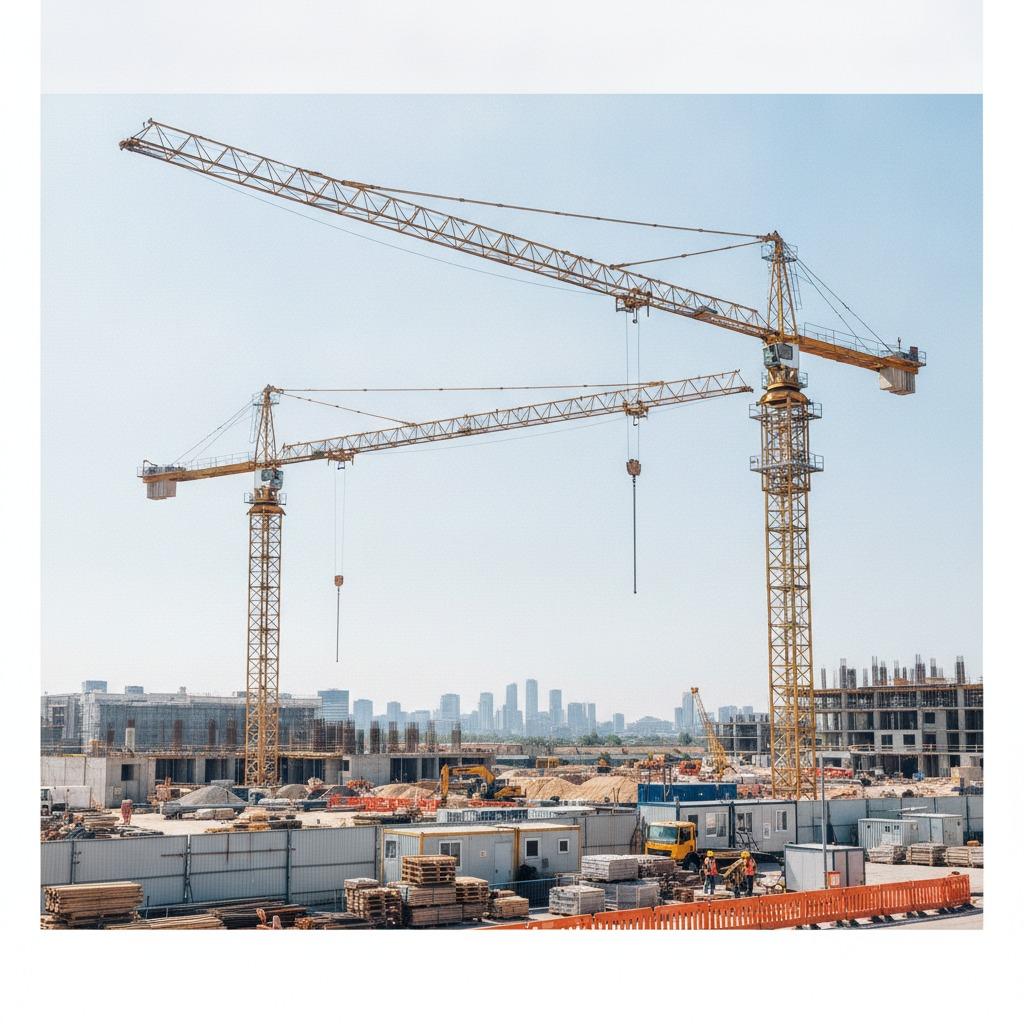
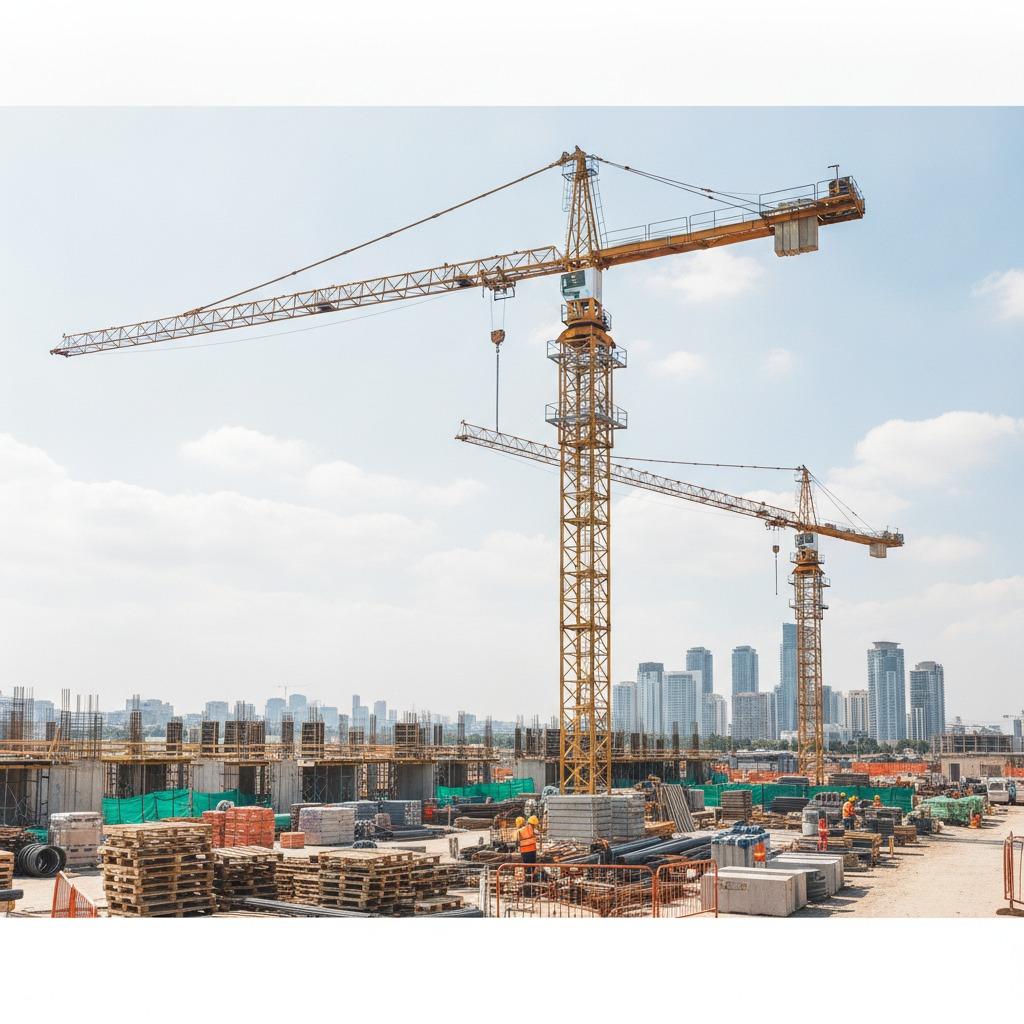
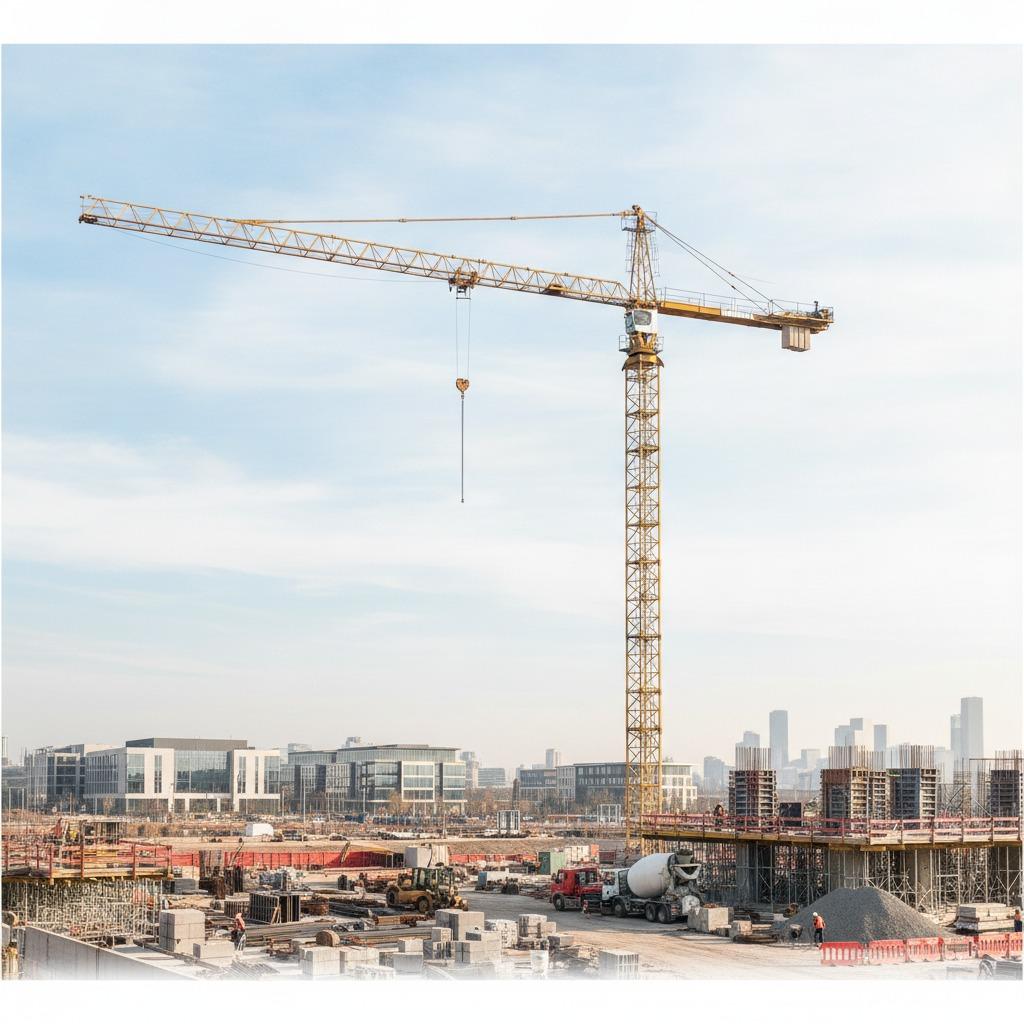
Tower cranes are not one-size-fits-all assets. The visible machine in a typical listing is a tall lattice mast with a long jib and a counter-jib, built to move materials vertically and horizontally on a busy site. That basic silhouette is familiar, but the details matter more than the silhouette.
A flat top tower crane, for example, can simplify assembly in tight urban conditions because it removes the tower-top jib point that often complicates multi-crane coordination. A luffing jib tower crane is a different animal again, better suited to restricted sites where the boom needs to work within a narrower swing envelope. If a listing simply says “used construction crane,” that is not enough information for a real buying decision.
The same caution applies to a used zoomlion tower crane or any other branded listing. Brand recognition helps with parts support and operator familiarity, but it does not replace verification of configuration, history, and condition.
Quick comparison: what to check before you treat a listing as viable
A pre-owned tower crane should be evaluated as a structural machine, not just an item of used construction equipment.
Start with the job requirements
Does the crane match the site’s lifting radius, hook height, and material flow? Rebar bundles, formwork, pallets, HVAC units, and structural components each place different demands on hoisting and cycle time.
Then check the configuration
Is it a flat top tower crane or a luffing jib tower crane? Is the jib length suitable for the site footprint? Are the mast sections compatible with your erection plan and foundations? These questions sound basic, but they often decide whether a machine is usable at all.
Finally, review the evidence
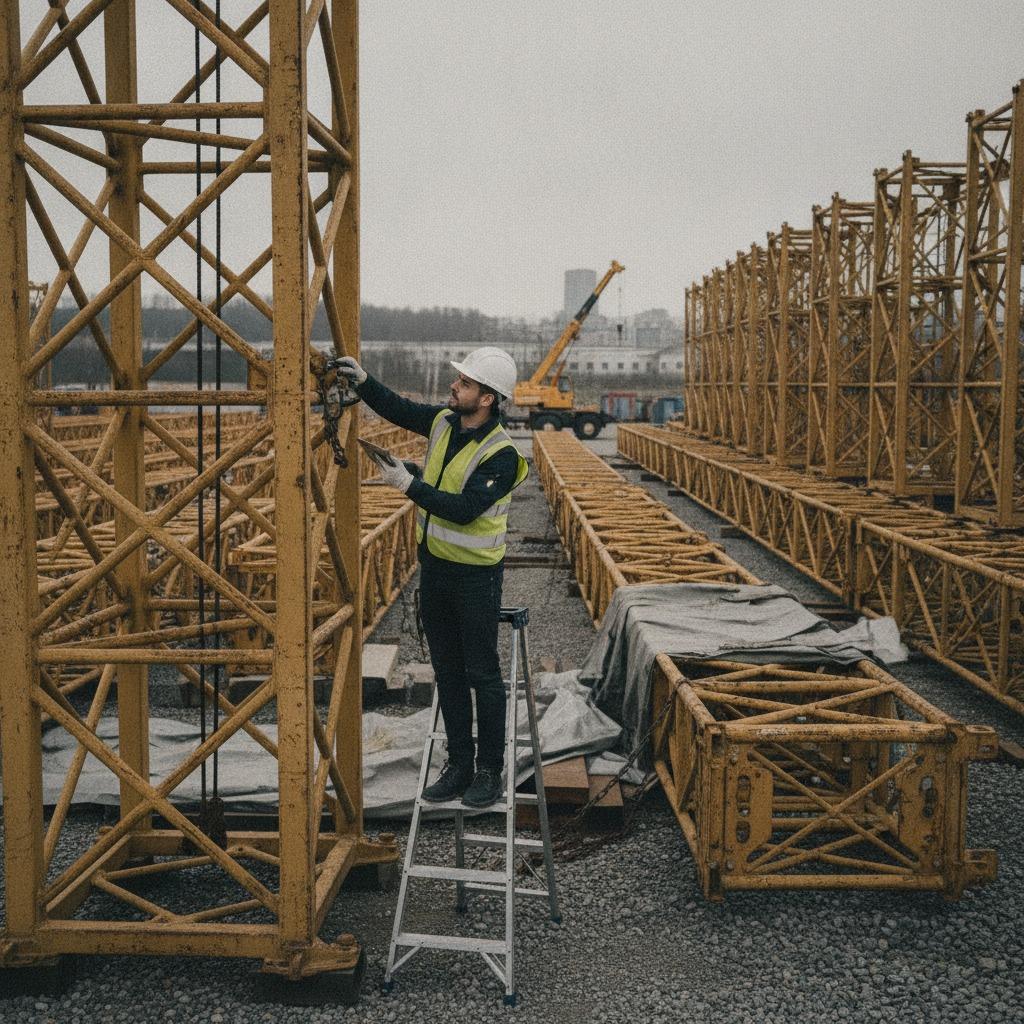
Ask for serial documentation, maintenance records, section inventories, and clear photos of the mast, jib connections, slewing area, trolley path, and hook block. If the seller cannot provide a coherent record, treat the offer cautiously.
Common risks buyers run into
The most common mistake is assuming that visible paint and intact lattice sections equal readiness. Steel tower structures can look respectable while still hiding corrosion in joints, fatigue at connection points, or missing components from previous dismantling.
Another trap is buying a used construction crane for its headline reach, then discovering it cannot be erected economically on the intended site. Transportation, section compatibility, and installation sequence all affect total cost. A crane that is “cheap” at purchase can become costly once rigging, civil works, and commissioning are counted.
Buyers also underestimate the importance of support. A tower crane supplier should be able to explain what is included, what is missing, and what parts may need replacement before the machine returns to service. That practical clarity is often worth more than a low asking price.
What to inspect on the machine itself
On a visible used tower crane, focus on the mast geometry, bolted joints, jib straightness, counter-jib condition, slewing area, and any signs of repaired or reworked steel. Uneven paint can be harmless, but fresh paint over damaged sections deserves questions. Check whether the trolley track looks aligned and whether the hook block, if included, shows abnormal wear.
The base and lower mast matter too. Many cranes fail their second life not at the tip of the boom, but at the parts that take repeated structural loads over time.
Practical buyer advice before you sign
Ask yourself one simple question: am I buying lifting capacity, or am I buying a project full of hidden work? If the answer is not clear, slow down.
For procurement teams, the best approach is to match the used tower crane to the project plan first, then verify the structural condition, then confirm parts and service support. That sequence is boring, but it saves money.
If you are sourcing across multiple sites, keep a short checklist for mast sections, jib type, dismantling history, and available documentation. It turns a vague market search into a usable comparison.
FAQ: used tower crane buying questions
Is a pre-owned tower crane always a bargain?
No. It can be the right choice, but only if the crane fits the project and the remaining service life makes sense.
Should I prioritize brand or configuration?
Both matter, but configuration comes first. A familiar brand in the wrong setup is still the wrong crane.
Can I judge condition from photos alone?
Not responsibly. Photos help screen listings, but they do not reveal hidden wear, missing hardware, or past structural issues.
Where to go next
If you are comparing a used tower crane against new purchase options, start with the site’s lift plan and the crane’s actual sections, not the advertisement headline. A serious tower crane supplier should be willing to discuss configuration, documentation, and what is known versus what still needs verification.
That is the difference between buying a machine and buying a problem with a mast on it.