Buying a Used Tower Crane: What Matters Before You Commit
A used tower crane can make sense when a project needs height, reach, and lifting capacity without the cost of buying new. That said, a second hand tower crane is not the kind of purchase you make on price alone. For contractors, fleet managers, and sourcing teams, the real question is whether the machine is structurally sound, suitable for the job, and realistic to install and operate on your site.
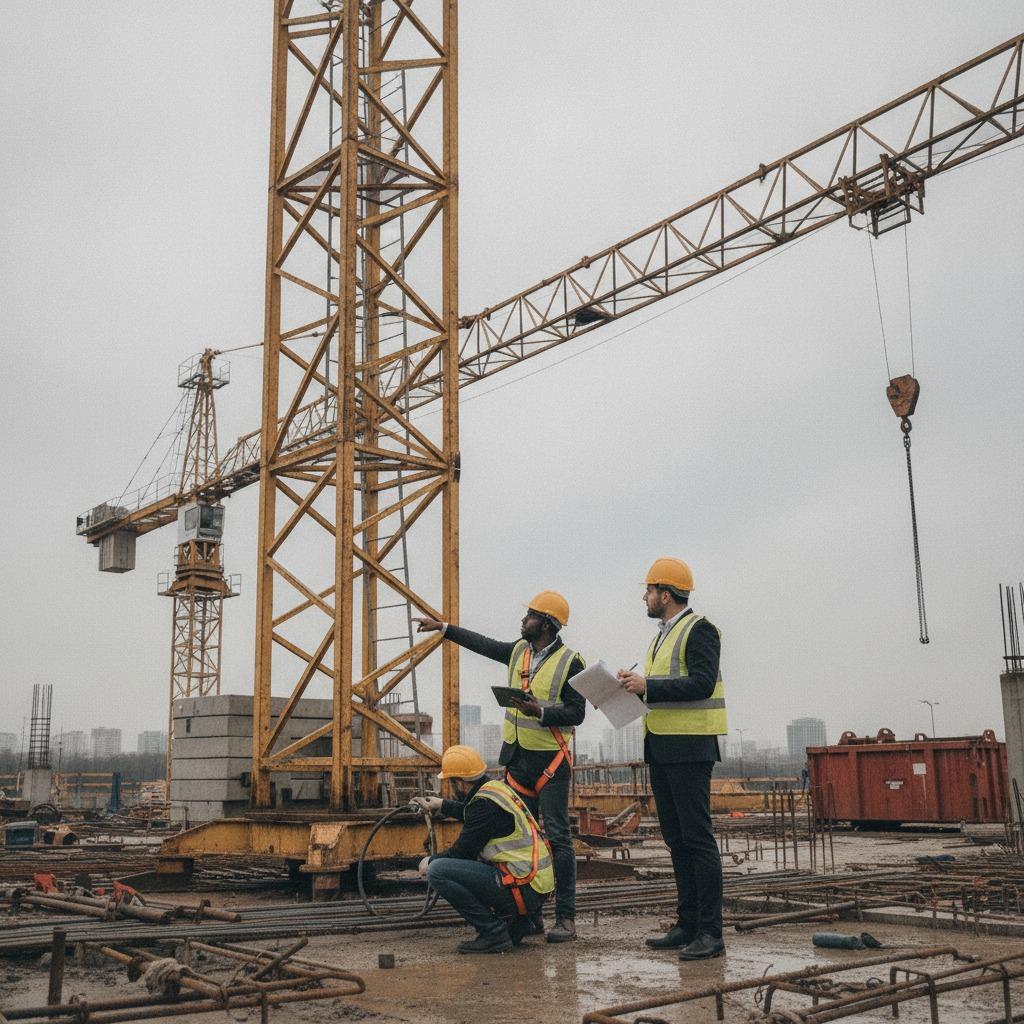
On a building site, the crane is more than just a piece of used construction equipment. It becomes part of the project schedule. If the mast sections do not match, if the jib configuration is wrong, or if the installation support is weak, the whole job can slow down. That is why buyers often start by comparing a pre-owned tower crane against rental options, then work back from the site’s lifting needs rather than the equipment listing.
Why Buyers Look at the Used Market
There are straightforward reasons the market for a used construction crane stays active. Tower cranes are expensive assets, and many projects do not need a brand-new machine to lift rebar, formwork, concrete buckets, pallets, or steel members to upper floors. A well-matched used unit can be a practical way to secure long horizontal reach and high lift height for a temporary job.
Still, cheap tower crane listings deserve caution. A lower asking price may reflect age, missing sections, outdated controls, wear on slew components, or unclear maintenance history. For an engineer or procurement lead, the savings only matter if the crane can be inspected, documented, transported, and installed without a series of unpleasant surprises.
Common Tower Crane Types You’ll See in Listings
Flat top tower crane
A flat top tower crane is often easier to handle in congested sites because the top structure is simpler and there is no raised tower head. Buyers may like it for urban work where multiple cranes operate close together. It can be a sensible choice when clearance matters.
Luffing jib tower crane
A luffing jib tower crane is usually selected for tight sites or projects with nearby obstructions. The jib angle can change, which helps manage space above roads, neighboring buildings, or other cranes. For buyers, the tradeoff is complexity. More moving parts usually means more to inspect.
Conventional tower crane
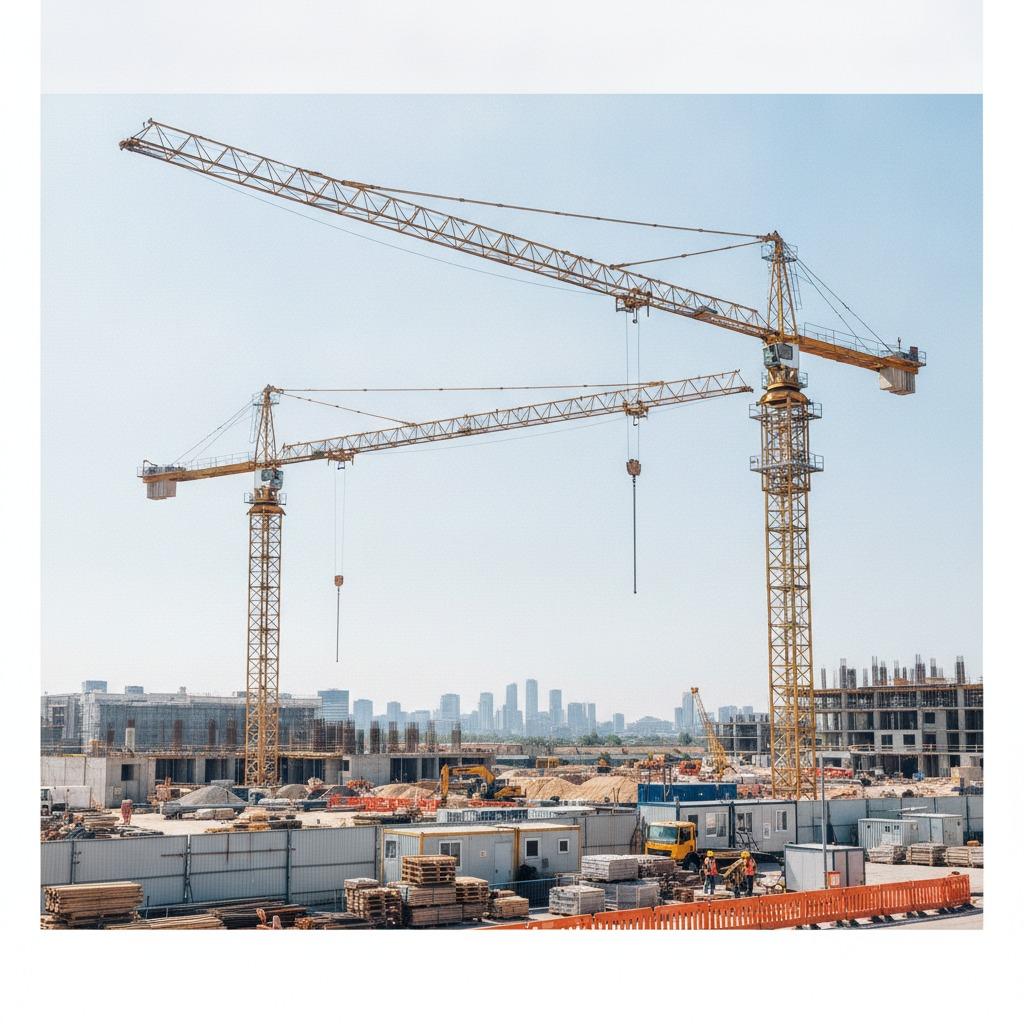
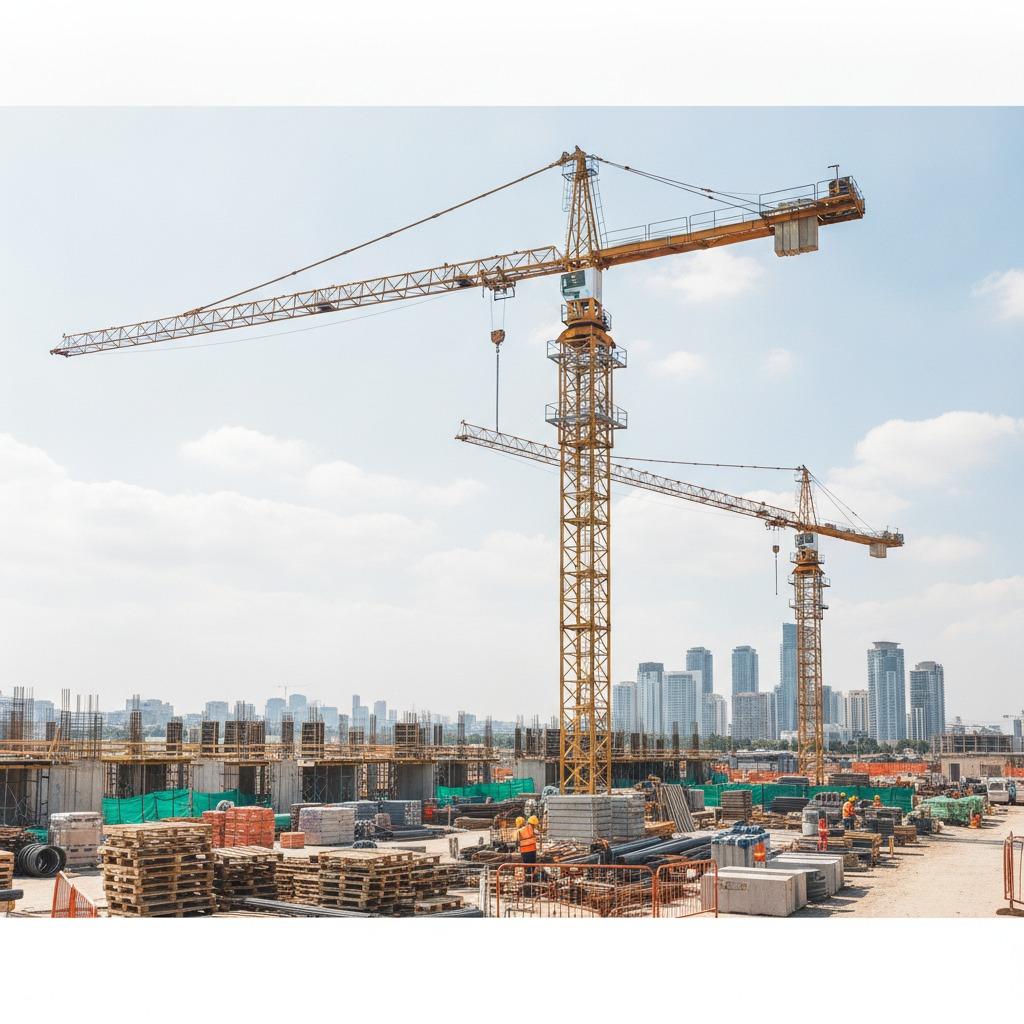
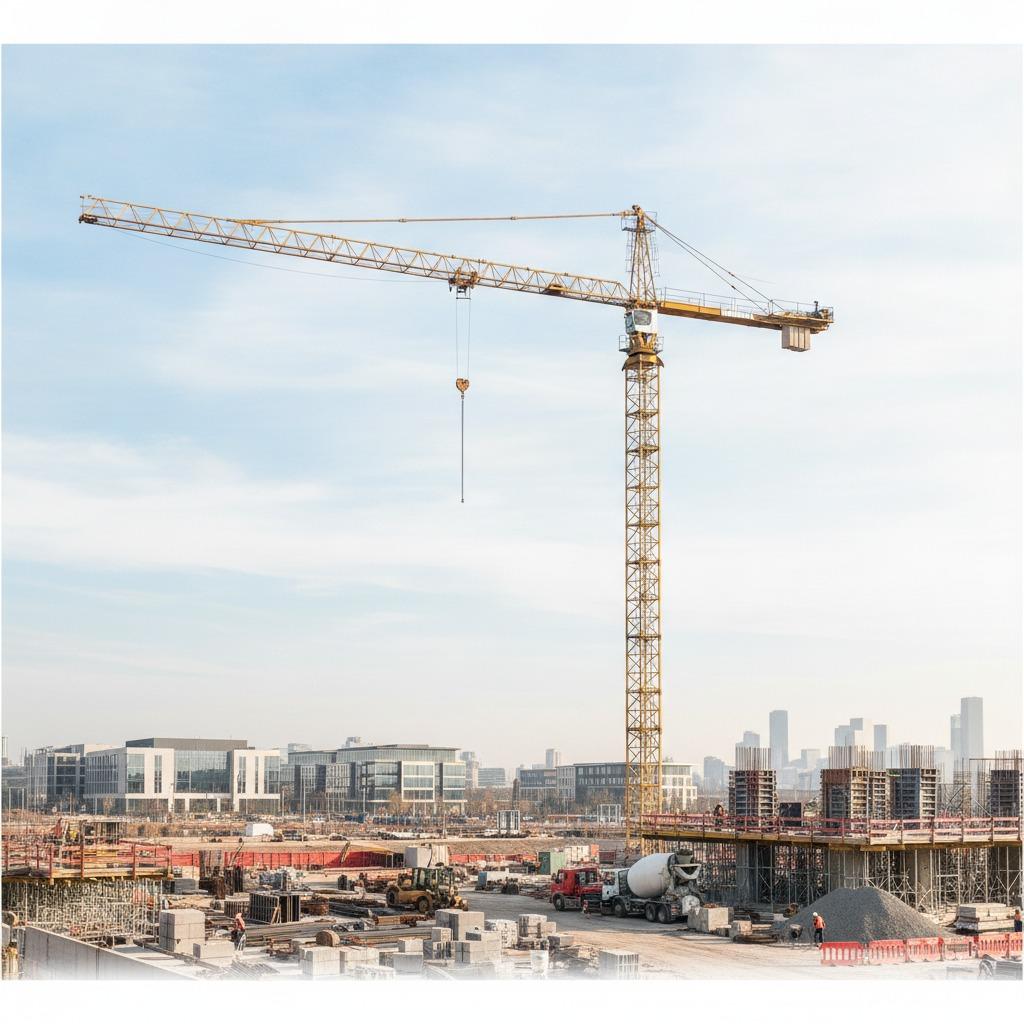
The familiar horizontal-boom tower crane remains common on large sites because it provides predictable reach and clear lifting geometry. The visible steel lattice mast, counter-jib, and operator cab are all part of a structure designed for height and stability rather than compactness.
What to Check Before You Buy
Start with the basics: the mast sections, jib structure, counter-jib, slewing unit, trolley path, hook assembly, and cab condition. Look for corrosion, repairs that were not documented, bent lattice members, and signs of fatigue around pin joints. If the crane is a used zoomlion tower crane or any other branded unit, the brand name matters less than whether the specific configuration is complete and serviceable.
Then confirm the practical details that listings often omit. Does the crane include the sections needed for your target height? Are there matching counterweights? Is the trolley system complete? Can the machine be adapted to your site plan? A tower crane supplier should be able to explain what is included and what is not, but buyers should still verify the package against drawings and inventory lists.
One useful habit: ask for maintenance records, inspection history, and any available structural reports. If those records are thin, proceed carefully. A pre-owned tower crane may still be worth buying, but the risk sits with the buyer once the machine is shipped.
Matching Crane Type to the Project
Large residential towers, commercial cores, and infrastructure builds all place different demands on the crane. A long horizontal jib is useful when materials must be moved across a broad footprint. A luffing jib tower crane can be better when airspace is limited. A flat top tower crane may simplify assembly when multiple cranes work on the same site.
This is also where many teams make a mistake: they buy for maximum lift on paper instead of actual site logistics. The right machine is the one that can reach the working areas, fit the erection plan, and support the expected material flow without awkward repositioning.
Practical Buyer Advice
If you are comparing used construction crane options, treat the process like a technical procurement, not a bargain hunt. Review the site layout, lifting frequency, and transport plan first. Then narrow the listings. A crane that looks affordable but requires scarce replacement parts or extra foundation work can become the most expensive choice in the room.
It also helps to work with a tower crane supplier or lifting specialist who understands assembly, dismantling, and site constraints. That is especially important for tall projects where installation time affects the critical path. The crane itself may look straightforward in a photo, but the surrounding logistics rarely are.
FAQ
Is a used tower crane always cheaper overall?
Not always. Purchase price is only one part of the cost. Transport, inspection, refurbishment, and installation can shift the total considerably.
Can I judge a crane’s condition from photos?
Only partially. Photos can show the mast, jib, counter-jib, and cab, but they cannot confirm internal wear, control condition, or structural history.
When is buying used a good move?
It works best when the project scope is clear, the crane configuration matches the site, and the buyer can verify records and physical condition.
Next Step
If you are considering a used tower crane, build your shortlist around site requirements first, then inspect the crane package line by line. That approach will save more money than chasing the lowest sticker price, and it usually leads to a safer, more workable decision for the project team.