Why buyers look at a used tower crane in the first place
A used tower crane can solve a very specific problem: you need high-reach lifting on a construction site, but you do not want the cost or procurement delay of a brand-new machine. For contractors, developers, and equipment buyers, the question is rarely whether a tower crane is useful. It is whether a second hand tower crane is the right risk for the job, the schedule, and the budget.
That decision matters because this is not a small accessory purchase. A tower crane shapes site logistics, affects how quickly concrete, rebar, formwork, pallets, and steel members move, and can influence the whole sequencing of a multi-story build. A pre-owned tower crane may be a practical way to get that lifting capacity, but only if the buyer checks the structure, configuration, and service history carefully enough to avoid buying someone else’s maintenance problem.
What the crane is built to do on site
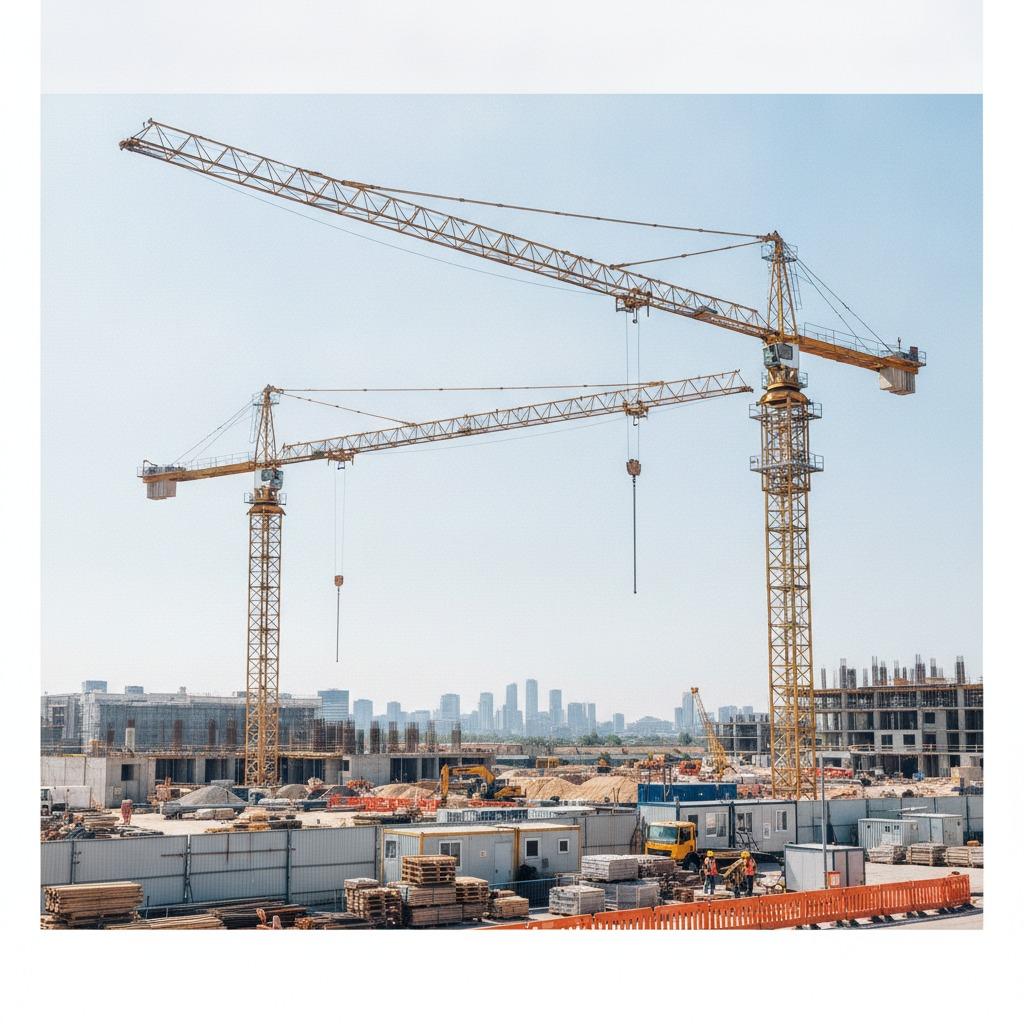
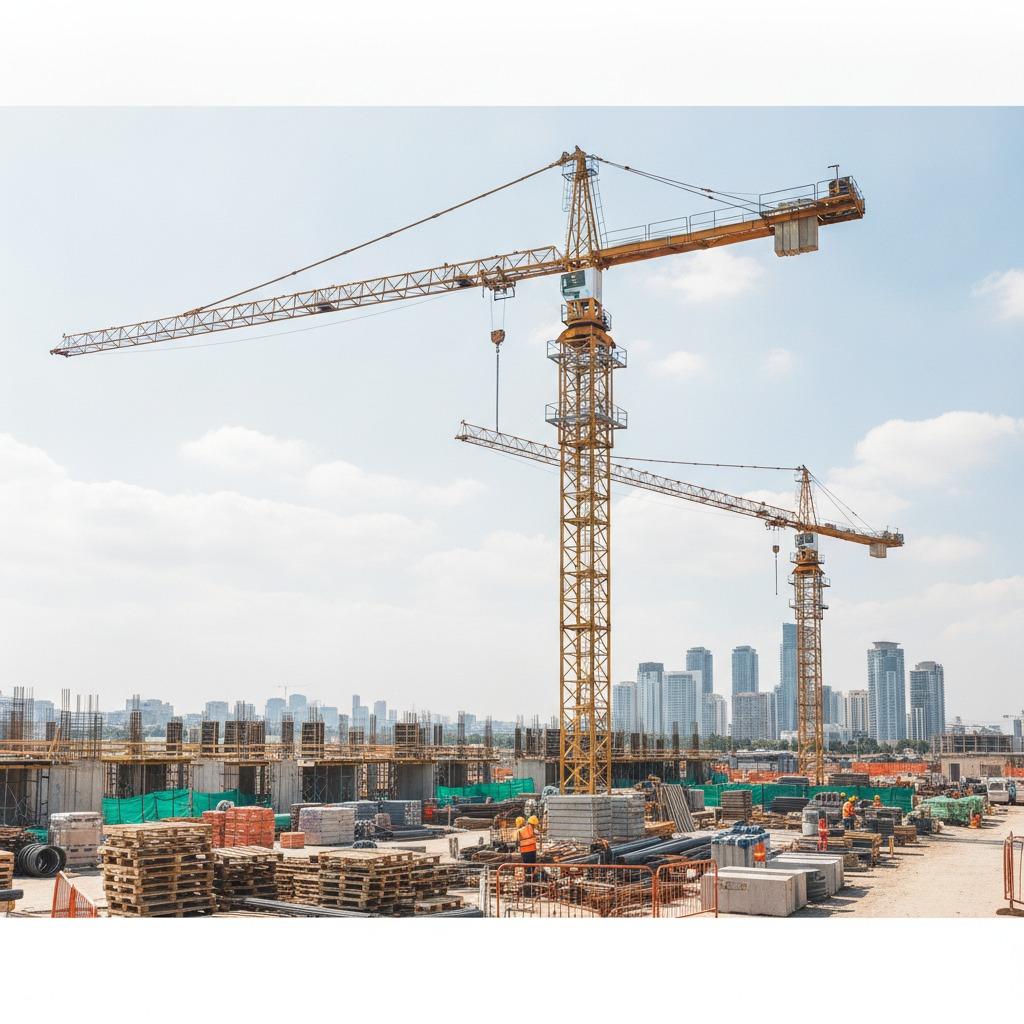
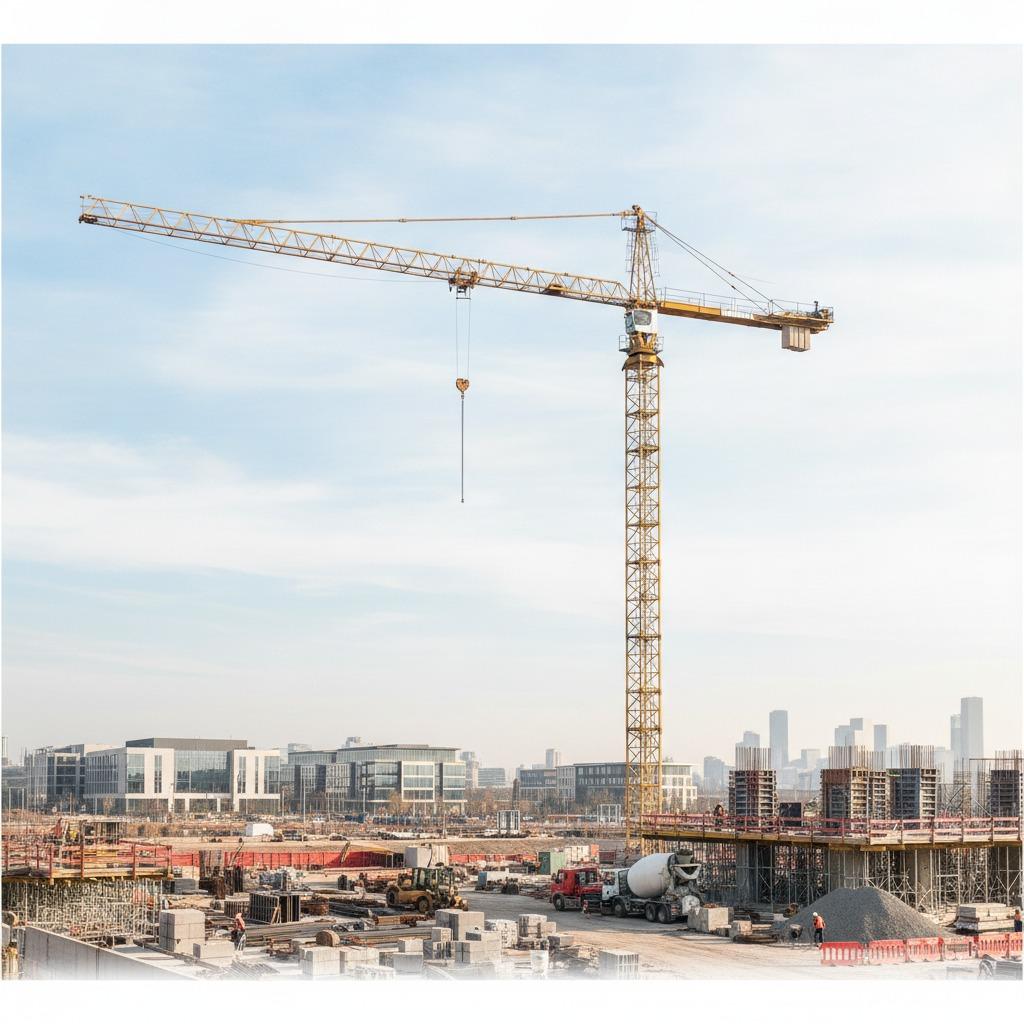
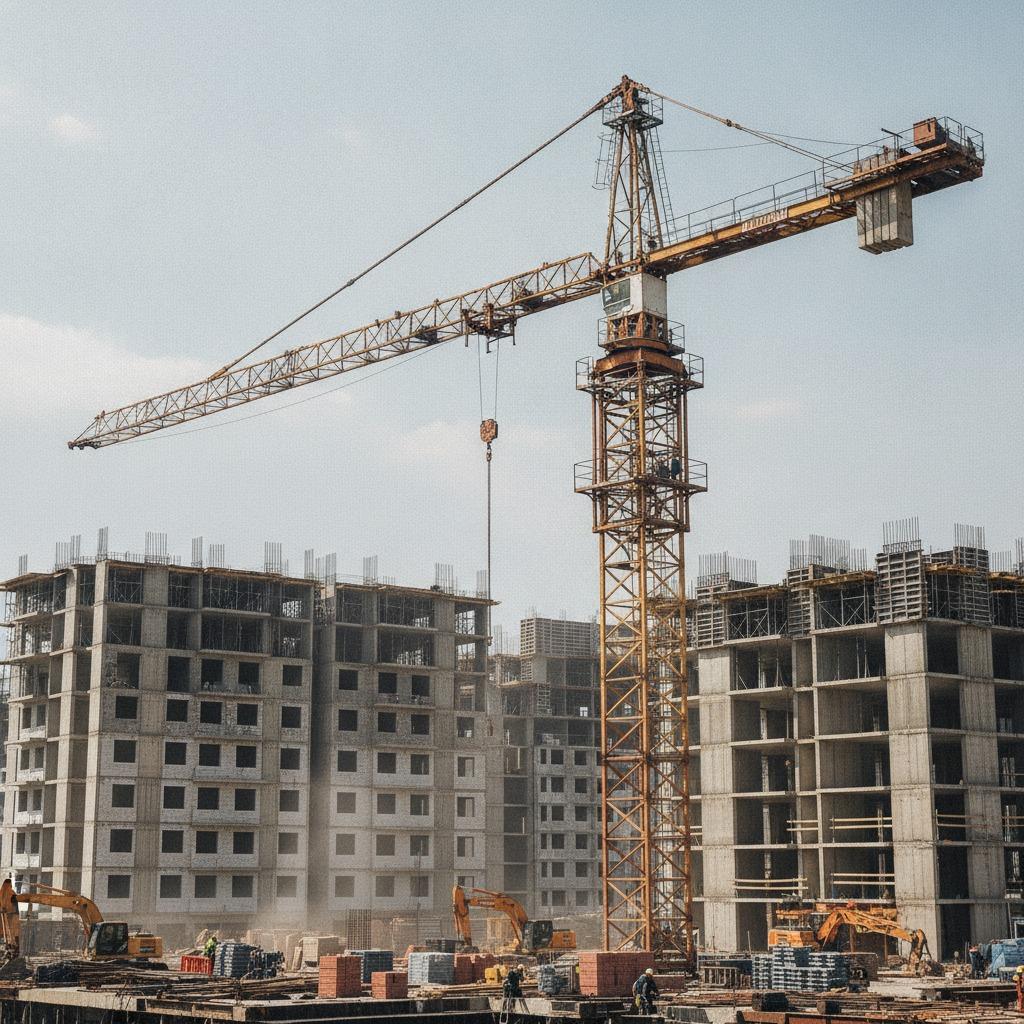
In the image data, the equipment is a construction tower crane with a tall lattice mast, a long horizontal jib, and a counter-jib at the rear. That geometry is the reason these machines are so common on dense urban projects and larger commercial builds. They lift vertically, swing loads horizontally, and place material across a broad part of the footprint without constantly repositioning the machine.
The visible steel truss structure suggests heavy welded and bolted fabrication, with an industrial painted finish. That is normal for used construction equipment working in weather, dust, and repetitive load cycles. What you can see at a glance is the real value proposition: overhead reach, site coverage, and the ability to keep material moving in a confined work area.
Used tower crane types buyers usually compare
When people search for a used construction crane, they are often comparing not just one machine, but one configuration against another. Two terms come up often: luffing jib tower crane and flat top tower crane. Each has a place, and each can be a poor fit if the job site does not match the crane’s geometry.
Luffing jib tower crane
A luffing jib tower crane is usually considered when the site is tight, there are airspace constraints, or the crane must work near other tall structures. The jib angle changes, which helps manage clearance. That flexibility can be useful, but it can also bring added complexity. For a buyer, the caution is simple: more moving geometry often means more to inspect, more to maintain, and more operator discipline.
Flat top tower crane
A flat top tower crane is often chosen for easier assembly logistics and for sites where multiple cranes may need to work without mast-tie complications getting in the way. Buyers tend to like the cleaner profile. It does not magically make a job easier, though. If the reach, capacity, or height is wrong, the flatter silhouette will not save the project.
What to check before buying pre-owned lifting equipment
A used construction crane should be evaluated as a structural and operational asset, not just as a piece of steel with a boom. Start with the basics: visible mast distortion, corrosion, weld repairs, condition of the slewing unit area, and wear at pins and connections. Then ask for the actual documents that matter, such as inspection records, maintenance logs, and the configuration list for the crane as it is currently assembled.
Be careful with claims that sound convenient but are thin on evidence. A cheap tower crane may be cheap for a reason: incomplete records, long storage, missing components, or a history of hard site use. None of that automatically disqualifies the machine, but it does change the economics. Buyers often underestimate the cost of transport, reassembly, tie-in hardware, and spare parts, especially when buying from a distance.
Common buying mistakes
One mistake is assuming all used tower crane listings are comparable. They are not. A machine with a long boom and visible counterweight arrangement may still be unusable for your project if the hook height, working radius, or base setup does not match your site plan.
Another mistake is focusing too much on brand names, such as a used Zoomlion tower crane, while ignoring condition and configuration. Brand matters, of course, because parts support and familiarity can help. But a well-kept machine from a less familiar name may be a better buy than a neglected unit from a leading one.
Also, do not treat the tower crane supplier as just a seller of metal. The better suppliers are closer to project partners. They should be able to discuss dismantling, transport, installation planning, and whether the crane is appropriate for your structure and lifting pattern. If they cannot speak plainly about those basics, that is worth a pause.
Practical buyer advice for sourcing the right crane
Start from the job, not the listing. Ask what needs to be lifted, how often, from where to where, and over what kind of footprint. Then match the crane type to the site constraints. A used tower crane that looks oversized in a photo may still be underpowered for your program, while a modest machine may be more than enough if the lifts are repetitive and the logistics are clean.
For many buyers, the best path is to shortlist a few machines and compare structure, records, configuration, and support rather than chasing the lowest headline price. That approach takes longer, but it is usually cheaper than discovering a mismatch after the crane is already on the truck.
FAQ: quick answers buyers ask before they commit
Is a second hand tower crane always cheaper? Not always. Purchase price may be lower, but transport, installation, inspection, and parts can change the total cost quickly.
Can I buy one based on photos alone? No. Photos help identify the general type, but they do not confirm load capacity, height, condition, or compliance details.
Is a used construction equipment purchase risky? It can be, if the buyer skips records and inspection. The risk is manageable when the sourcing process is structured.
Next step
If you are considering a used tower crane, make the first filter technical, not financial. Compare the crane type, the site layout, the lifting needs, and the available records. Once those line up, the conversation with a tower crane supplier becomes much more useful, and the machine starts looking like a project asset instead of a gamble.