Buying a Used Tower Crane Without Buying a Problem
A used tower crane can be a sensible way to add lifting capacity to a project, but only if the machine is judged as equipment, not just as a steel silhouette on a lot. For contractors, rental fleets, and project teams, the real question is not whether a pre owned tower crane looks complete. It is whether it can still deliver safe reach, steady lifting performance, and workable installation economics on the next job.
That matters because tower crane equipment is not a casual purchase. A crane’s value depends on more than age. Structure condition, service history, available documentation, compatibility with site requirements, and transportability all affect the final decision. A cheap used tower crane may save money upfront, yet become expensive if replacement parts are hard to source or if the mast sections need more inspection work than expected.
What a Tower Crane Is Actually Buying You
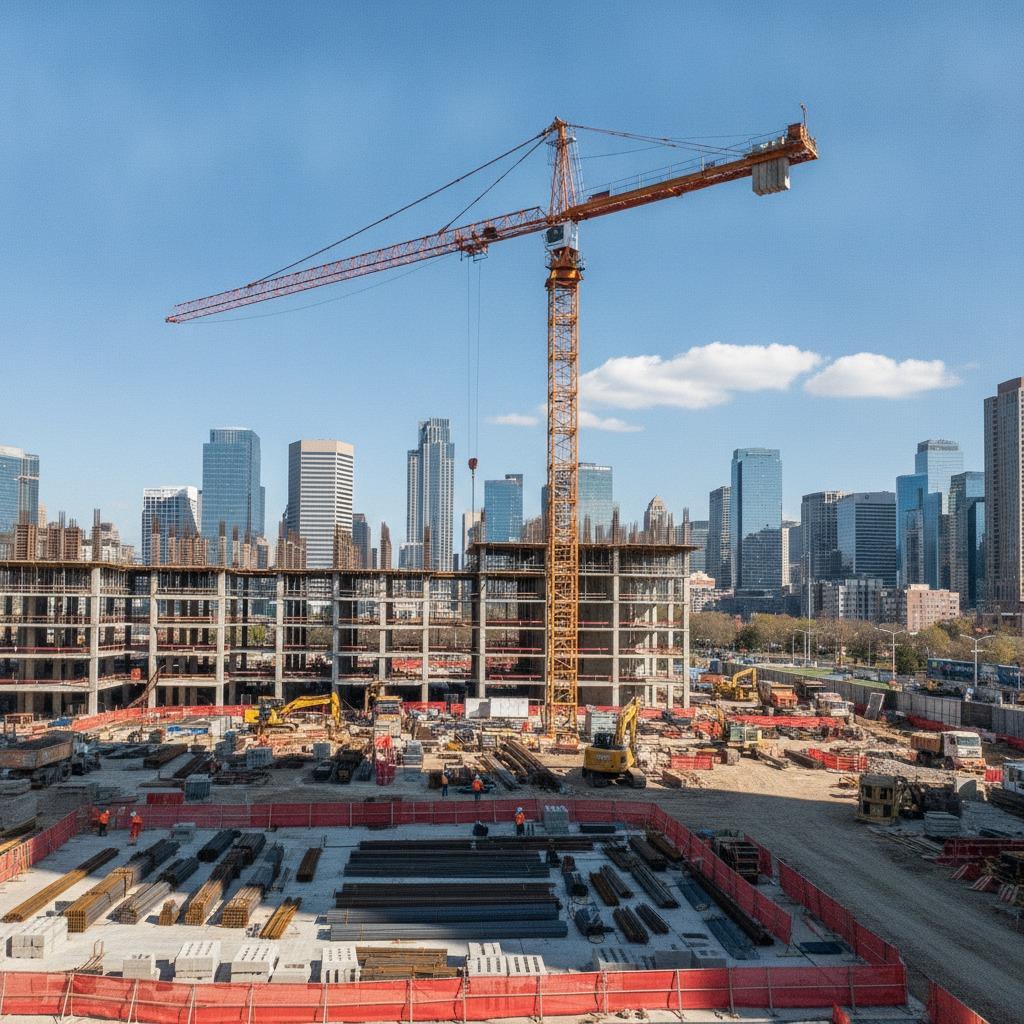
In practical terms, a tower crane is about vertical reach and controlled placement. The lattice steel mast and long horizontal jib give the machine the ability to move materials over active construction areas without cluttering the ground with smaller equipment. On multi-story projects, that can mean faster handling of steel, formwork, concrete-related materials, and general building supplies.
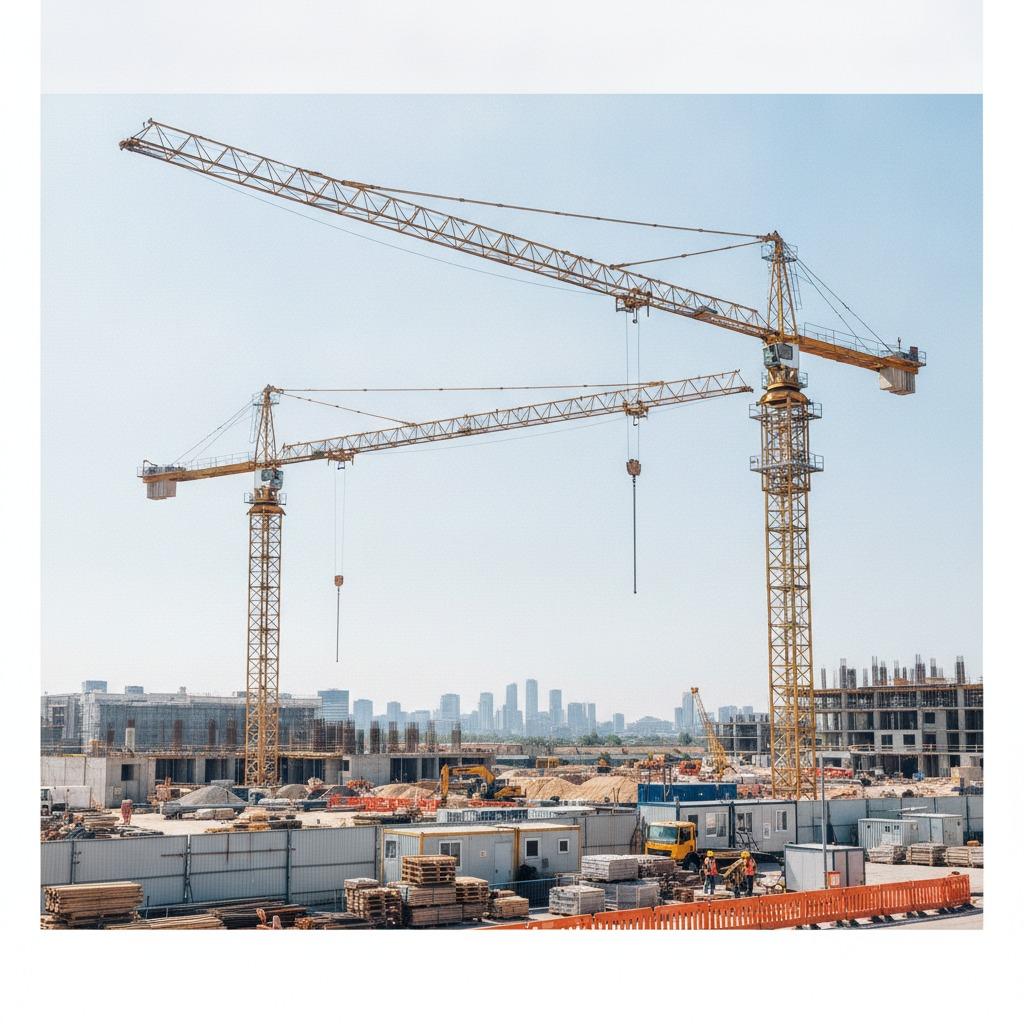
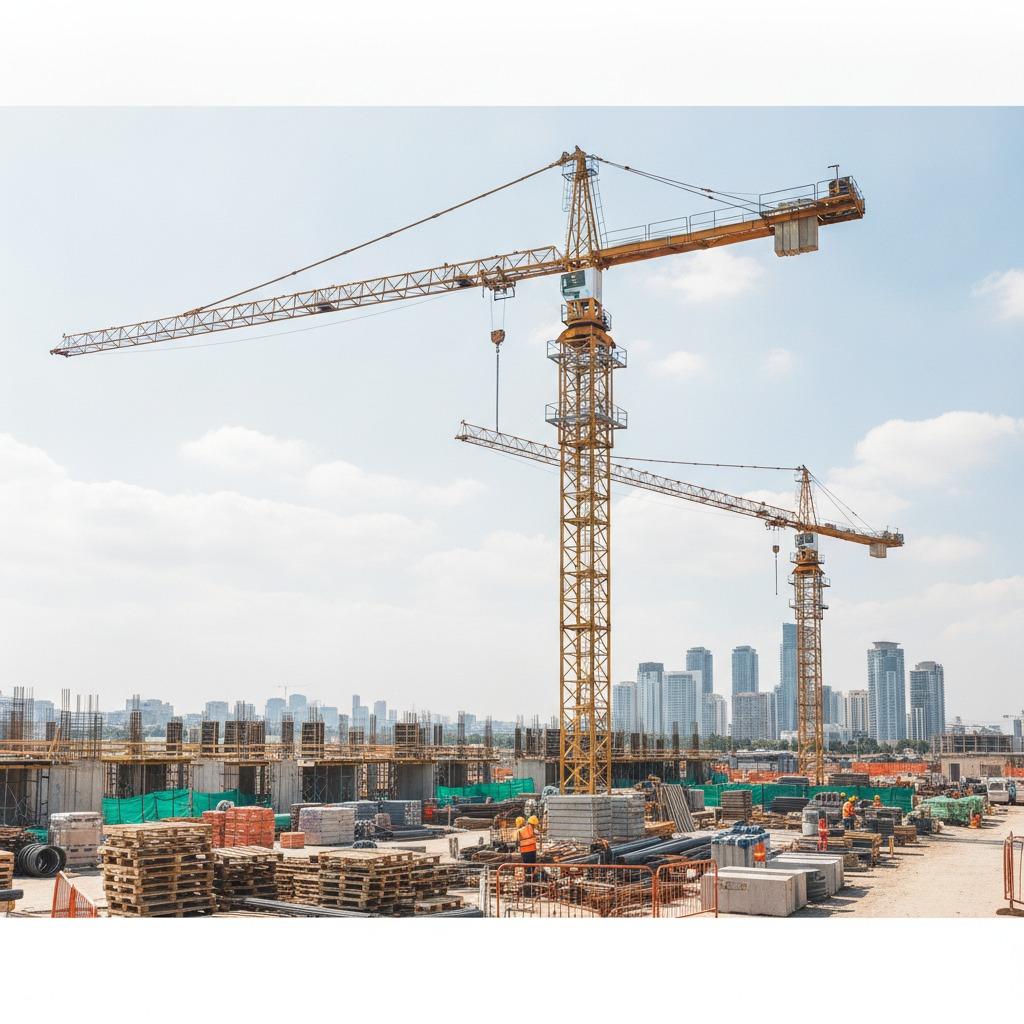
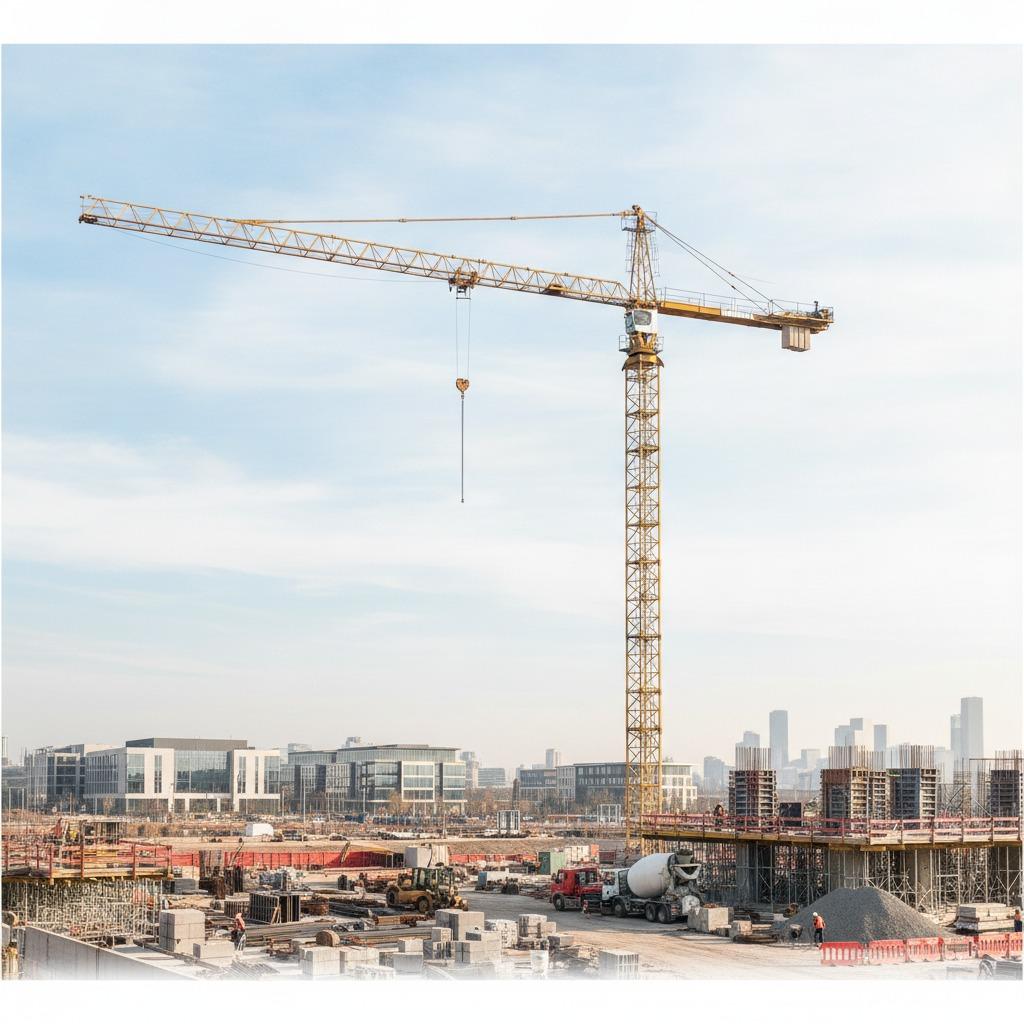
The visual profile is easy to recognize: a segmented mast, a slewing unit at the top, a long boom or jib, and often a counterjib with counterweights at the rear. Those features are common across many models, but the details that decide value are hidden: capacity, radius, hook height, controls, power system, and the way the crane was maintained before it came onto the market.
Used, Second Hand, or Pre Owned: What Changes?
In the marketplace, the phrases used tower crane, second hand tower crane, and pre owned tower crane are often used interchangeably. Buyers should not assume they mean different quality tiers. The important distinction is not the label. It is the actual condition of the machine and the paper trail behind it.
Key differences buyers should verify
A used construction crane sold from a fleet with service records is a different proposition from a machine that was decommissioned after years of patchwork repair. The same is true for a used building crane that has been stored properly versus one that sat outdoors with unknown exposure. Rust, pin wear, damaged sections, and missing electrical components can change the economics quickly.
What to Inspect Before You Commit
Buyers rarely get into trouble by over-analyzing the visible mast. They get into trouble by under-checking the structural and operational details. A serious review should include mast sections, boom segments, slewing components, counterjib assembly, bolts, pins, and any signs of distortion or repair. If the crane will be dismantled, transported, and reinstalled, condition matters twice: once for the lift itself and again for the logistics.
Documentation deserves the same attention. Ask for service logs, inspection history, original specifications if available, and notes on any major repairs. If those records are thin, the crane is not automatically unusable, but the risk profile changes. That is the point where an experienced lifting engineer or crane specialist should be involved, especially before accepting a unit as site-ready.
Common Mistakes in the Used Crane Market
The most common mistake is shopping by price alone. A buyer sees a cheap used tower crane and focuses on acquisition cost, then discovers the real cost is hidden in transport, assembly, replacement parts, and compliance work. Another mistake is assuming that similar-looking cranes have similar value. Two tower cranes may appear comparable in photos while differing significantly in reach, height potential, or compatibility with the project plan.
It is also easy to overlook site fit. A crane that is useful on a dense urban building may be poor for another project if the jib length, positioning, or foundation requirements do not match. Practical buyers start with the job, not the listing.
Selection Criteria That Matter More Than Appearance
When comparing tower crane lifting equipment, focus on these decision points: structural condition, available history, fit for the project, ease of transport, and likely support for spare parts or servicing. If the crane came from a reputable rental or installation environment, that is often helpful, though it is not a substitute for inspection. And if any part of the specification is missing, treat that gap as a cost item, not a footnote.
Buyer Advice for Teams Making a Shortlist
For sourcing managers and project teams, the best shortlist usually contains fewer glamorous machines and more workable ones. A pre owned tower crane with documented maintenance and a clear fit to the site often beats a larger machine that looks impressive but demands expensive adaptation. That is especially true on schedules where downtime is costly and crane assembly windows are tight.
If you are evaluating multiple options, compare total landed cost rather than asking only which crane is cheapest. Include dismantling, freight, erection, inspection, and any likely refurbishment. The answer is often less flattering than the listing headline, but far more useful.
FAQ: Quick Questions Buyers Ask
Is a used tower crane always risky?
No. A well-documented crane from a known operating history can be a sound purchase.
Should a second hand tower crane be chosen only for low-budget jobs?
Not necessarily. Many buyers use pre owned equipment to balance capital cost and project needs, especially when the crane specifications are a close match.
What matters most in a used building crane?
Condition, records, project fit, and supportability. Appearance is much less important than those factors.
Next Step
If your team is reviewing used construction crane options, start with the specification sheet, then move to inspection and logistics. That sequence saves time and prevents costly optimism. In a market where tower crane equipment can look straightforward from a distance, the details are where the real decision gets made.