Why a Used Tower Crane Deserves Serious Attention
A used tower crane can be a practical purchase when a project needs height, reach, and a rigid lifting platform without the delay of ordering new equipment. For contractors, fleet managers, and equipment buyers, the real question is rarely whether a crane is cheaper second-hand. It is whether the machine still matches the job, the site, and the risk profile of the project.
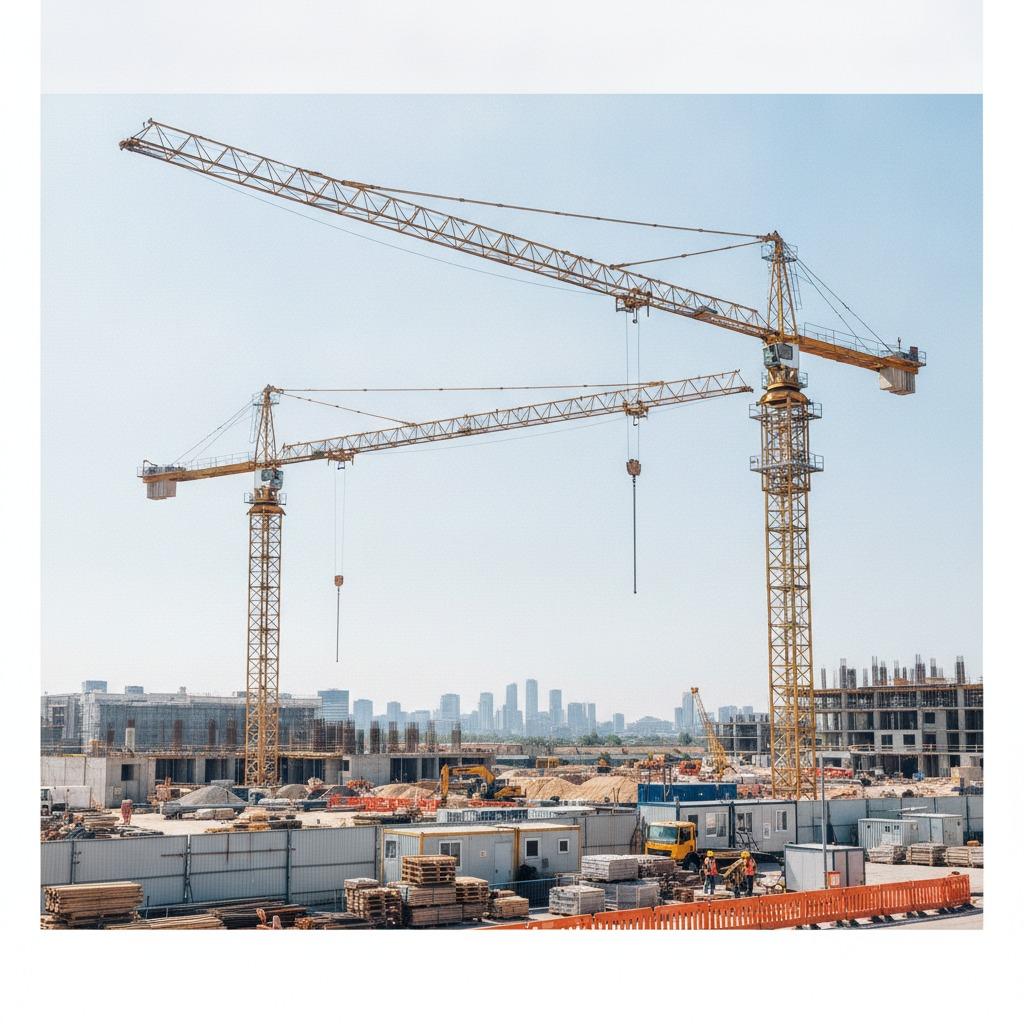
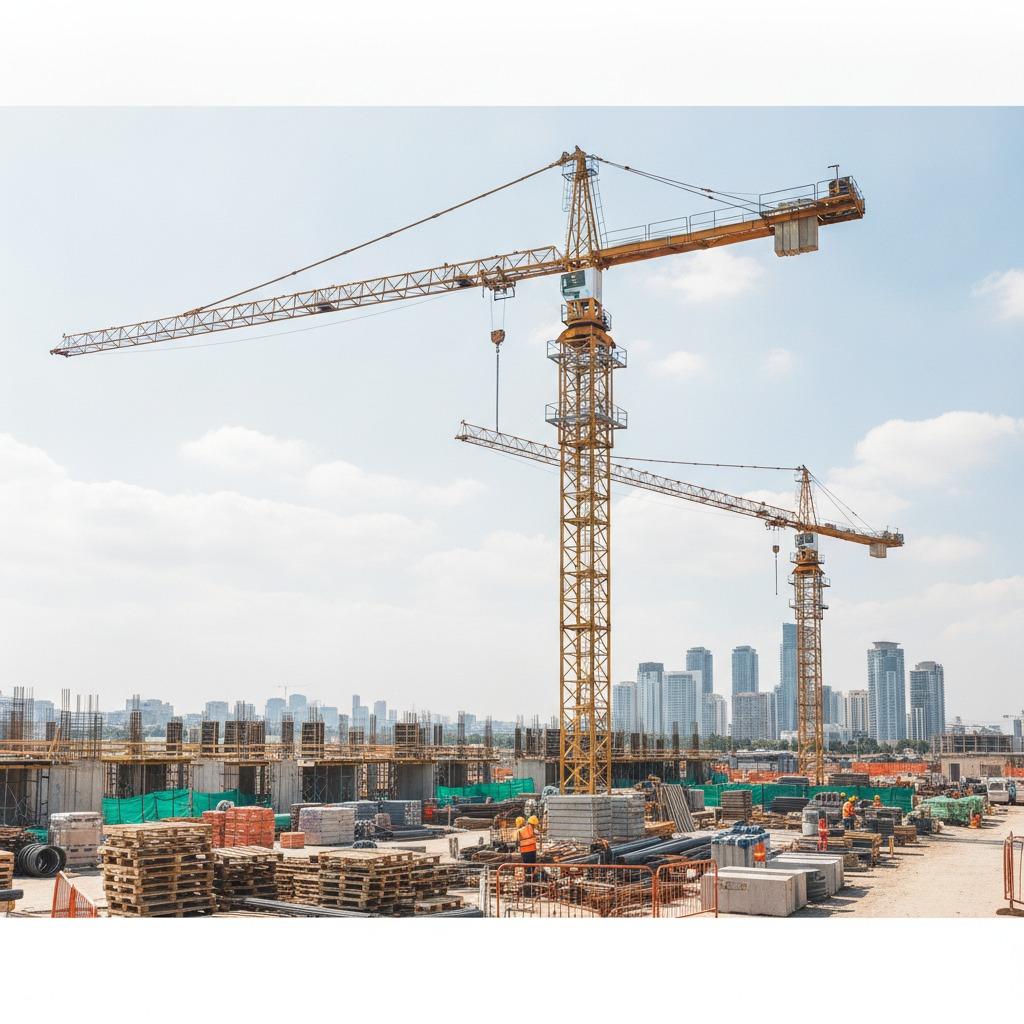
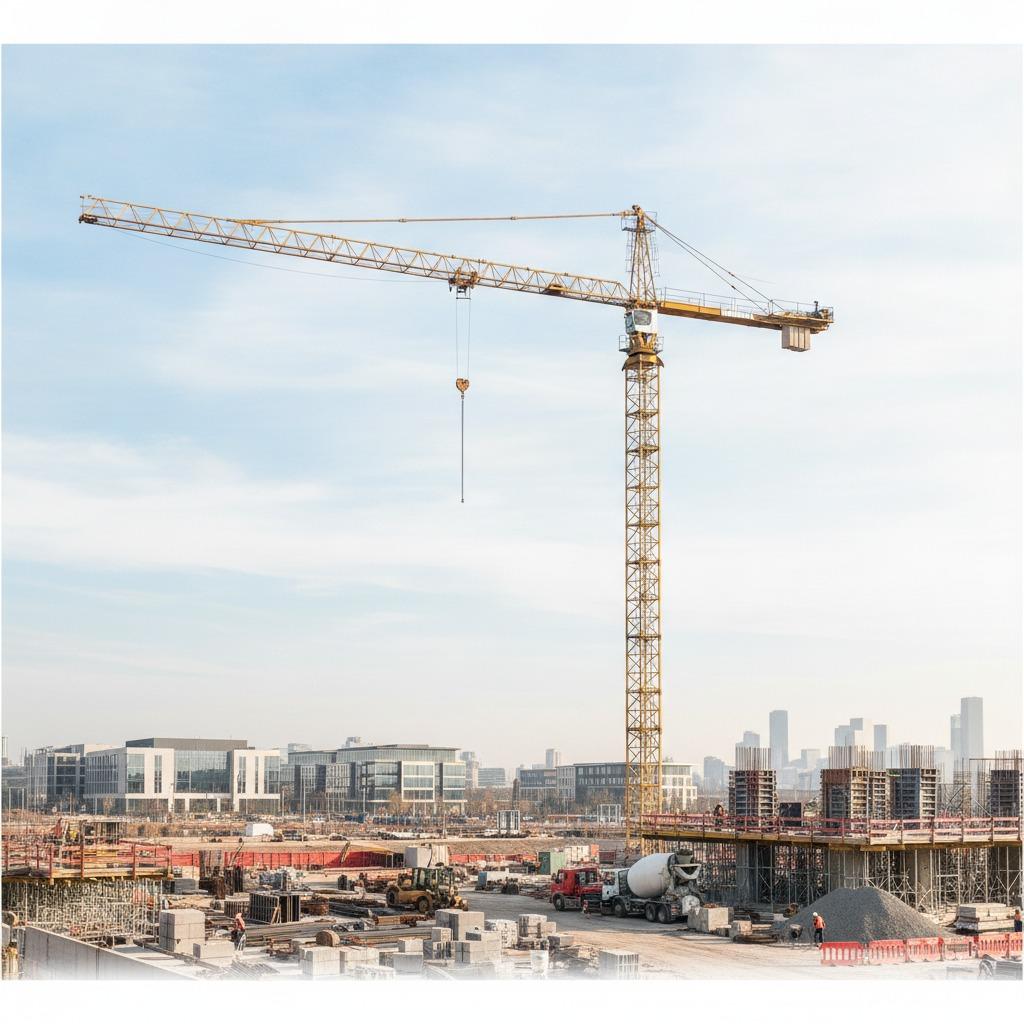
Tower cranes are not generic lifting tools. They sit on a fixed base, carry a tall steel lattice mast, and use a long horizontal jib and counterjib to move material across a large footprint. That makes them well suited to high-rise work, rebar handling, formwork movement, pallets, and other bulky materials that need to travel both vertically and horizontally. The structure visible on many used units, with a slewing top section and open trussed boom, is built for reach more than portability.
What Buyers Usually Need to Decide First
Buying a second hand tower crane is less about finding the lowest asking price and more about matching the crane type to the jobsite. A buyer usually has to decide between a luffing jib tower crane and a flat top tower crane, or between a standard used construction crane and a more specialized configuration. That decision matters because urban sites, tight airspace, and nearby structures can change the entire lifting strategy.
A flat top tower crane is often discussed when the site has multiple cranes or limited headroom, while a luffing jib tower crane is typically chosen where swing space is tight. Those are not fashion choices; they affect site planning, erection, and how material is moved around the building envelope.
Key Checks Before You Treat a Crane as “Available”
Structure and fatigue history
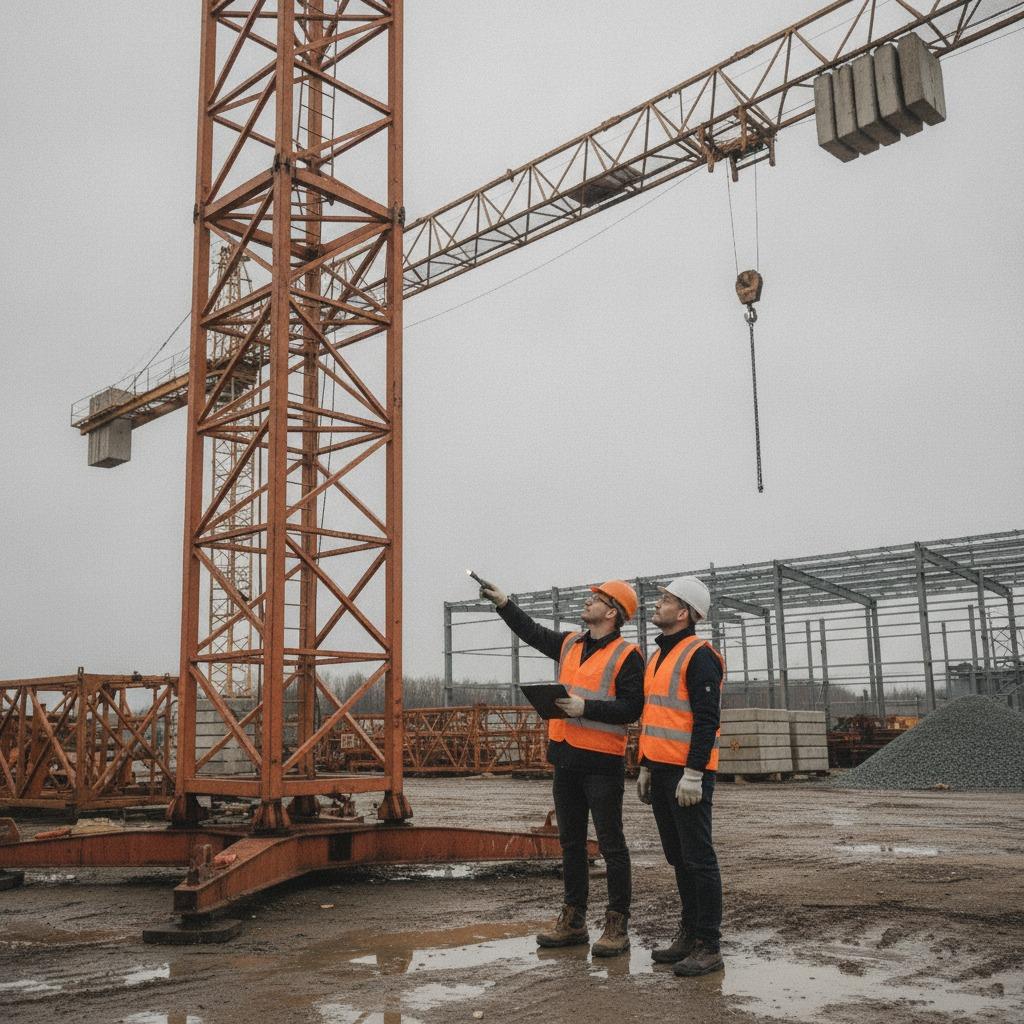
The mast, jib, pins, brackets, and connection points deserve close inspection. On a used construction equipment purchase, visible paint is not proof of sound steel. Buyers should ask how the crane was stored, how it was dismantled, and whether any structural repairs were performed. If that documentation is thin, the machine may still be usable, but the buyer should assume more engineering review is needed.
Load path and operating system
The hook block, trolley, hoist line, slewing section, and counterweight arrangement all influence how the crane performs. Exact load capacity, reach, and control system details are often not visible in photos, so they should be verified directly rather than guessed from mast height alone. That is a common mistake with a cheap tower crane listing: tall structure does not automatically mean the right lifting performance for the job.
Compatibility with the project
Some buyers start with the crane and then try to fit the project around it. That usually costs more in the end. A pre-owned tower crane should be checked against site foundation capacity, erection method, building height, local wind conditions, and transport logistics. If the crane needs parts support, confirm the tower crane supplier can still provide the needed components or a service path. Downtime on a tower crane is expensive in a way that smaller equipment never quite is.
Where Used Units Make Sense
Used tower cranes can make excellent sense on mid-rise and high-rise projects where the machine will stay in one place for a long period. They are also worth considering for developers or contractors who already operate tower crane fleets and understand installation, maintenance, and inspection procedures. In those cases, a used machine may offer a faster route to capacity than sourcing a new build.
Some buyers search specifically for a used zoomlion tower crane or another identifiable brand because they already know the parts network and service habits of that platform. That can be sensible. Brand familiarity reduces uncertainty, but it does not replace inspection. A well-known name is helpful; a worn-out crane with a famous badge is still a worn-out crane.
Common Mistakes That Cause Trouble Later
The biggest error is buying on appearance. A yellow-painted steel framework, a long boom, and a clean-looking mast do not tell the whole story. Another mistake is ignoring the site geometry. A crane that looks suitable in a yard may be awkward once erected near an existing building, crane, or overhead obstruction.
Buyers also sometimes confuse price with value. A so-called cheap tower crane can become expensive if transportation, erection support, missing sections, or overhaul work are not included in the plan. For a used construction crane, the true cost lives in the hidden items: transport, assembly, inspection, and service continuity.
Practical Buyer Advice
Ask for serial identification, service records, and a clear list of included components. Confirm whether the crane is complete enough for immediate deployment or whether major parts will need sourcing. Check the intended duty cycle and the actual site demands. If the project involves repeated lifts of rebar, formwork, and concrete-related materials over a large span, then reach and handling speed may matter more than a flashy listing.
If the seller is acting as a tower crane supplier, request direct answers on structural condition, missing parts, and any known limitations. Vague answers are a warning sign. The best used equipment sellers tend to be specific, even when the answer is not flattering.
FAQ: What Buyers Ask Most Often
Is a pre-owned tower crane always the cheaper choice? Not always. It can reduce purchase cost, but transport, erection, inspections, and refurbishment may narrow the gap.
Can I judge a crane from a photo? No. Photos show general structure and configuration, but not capacity, wear, or service history.
What matters most in selection? Match the crane type, reach, and lifting needs to the site, then confirm condition and supportability.
A Better Next Step
If you are evaluating a used tower crane, start with the project requirements and work backward. Identify the required height, reach, lifting pattern, and site constraints, then compare those needs with the crane’s documented condition and configuration. That approach takes a little more time, but it is usually the difference between a workable asset and an expensive yard ornament.