Buying a Used Tower Crane: What Matters Before the Paint and Price
A used tower crane can be a sensible way to add lifting capacity without paying for a brand-new machine, but it is not the kind of purchase you make from a brochure photo and a low asking price. In construction, a crane is not just another piece of used construction equipment. It becomes part of the site plan, the lifting schedule, and the safety case. That is why buyers looking at a second hand tower crane need to think beyond appearance and ask whether the machine still fits the job it is supposed to do.
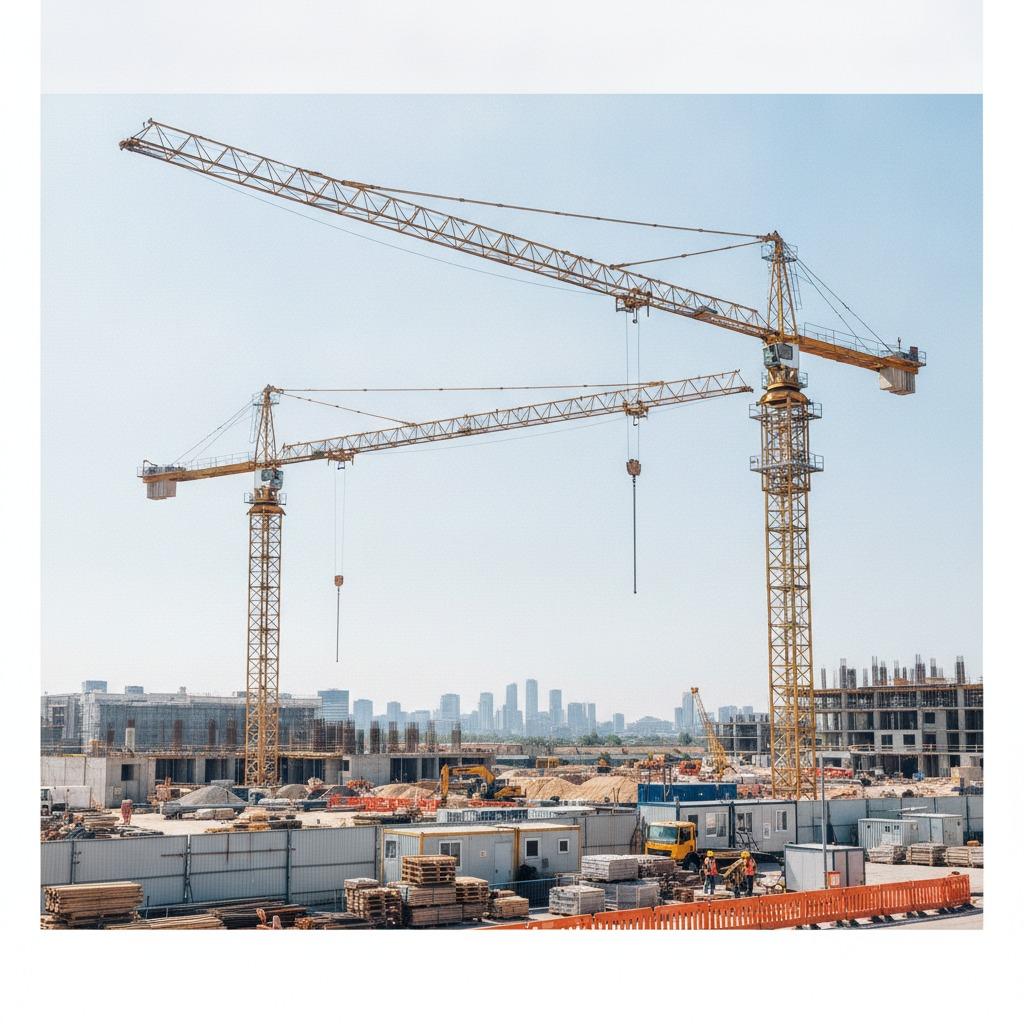
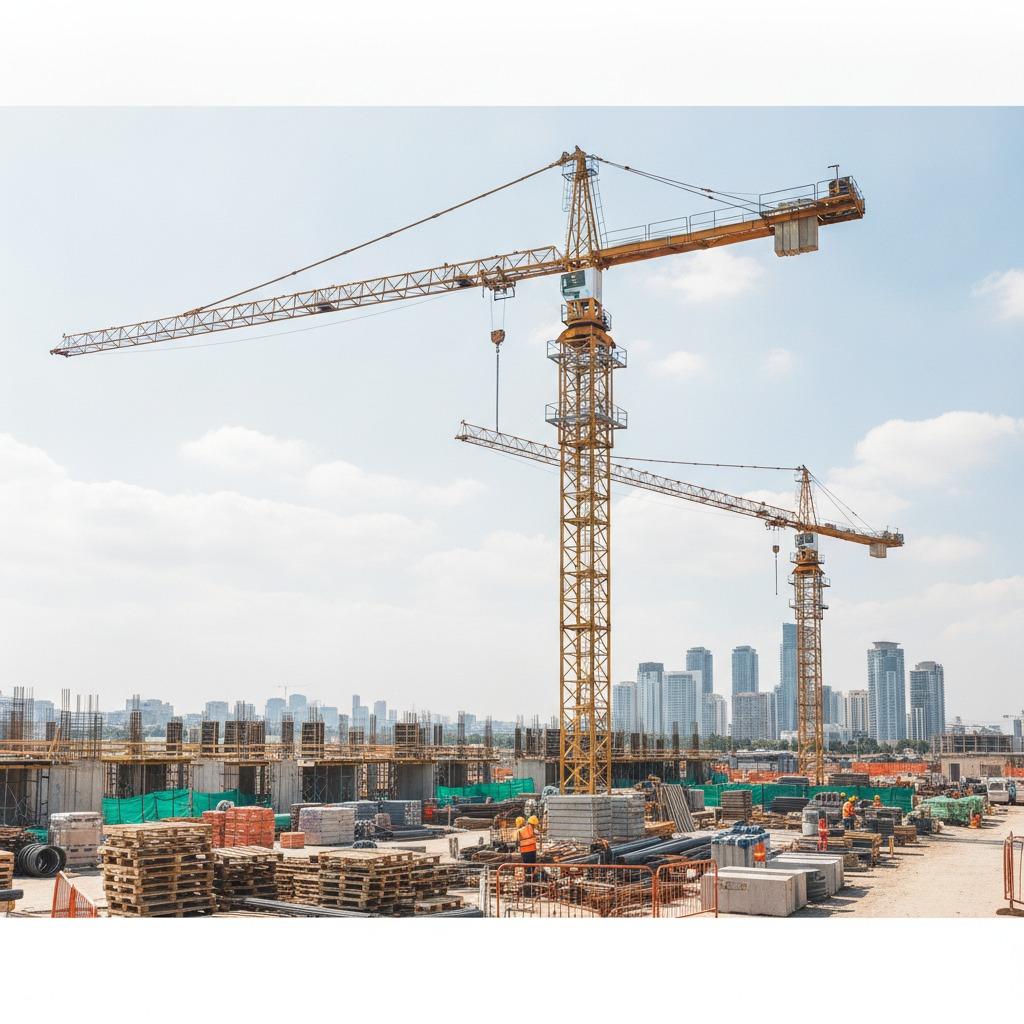
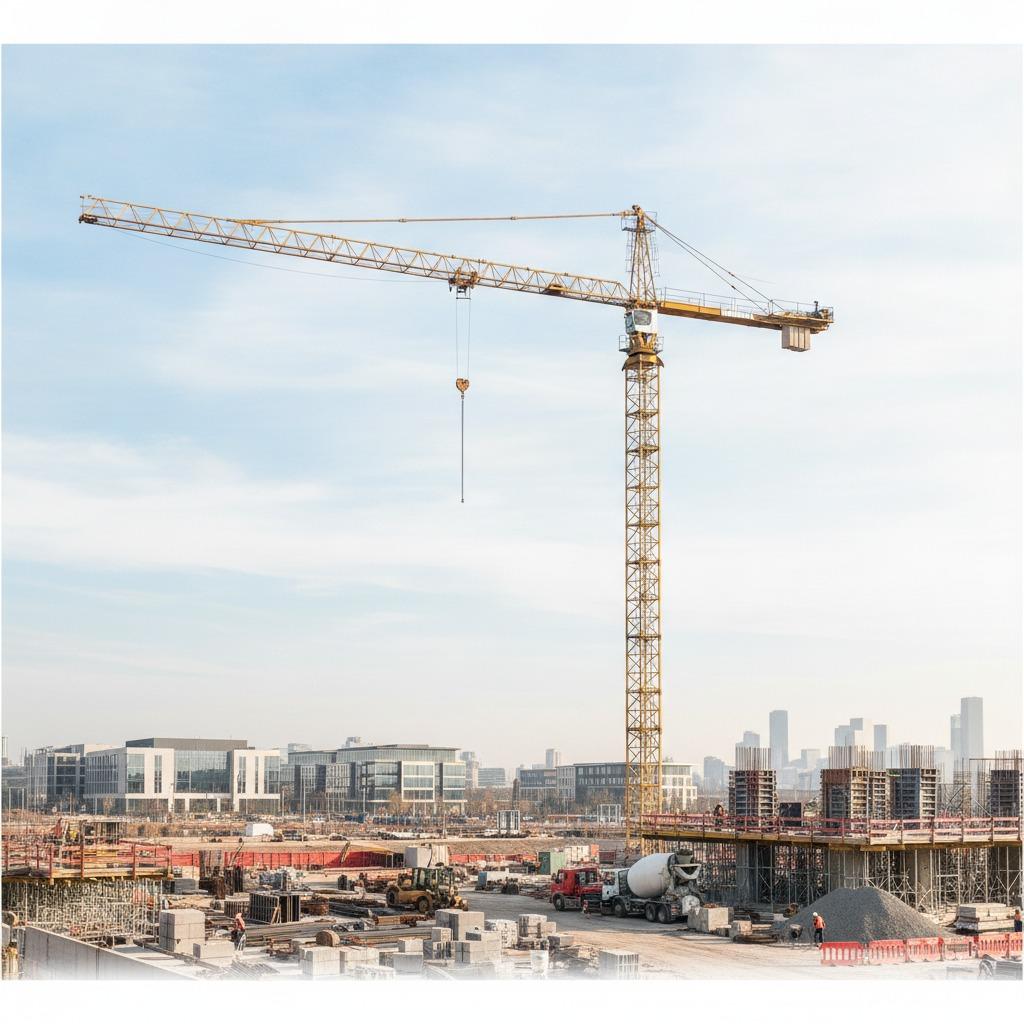
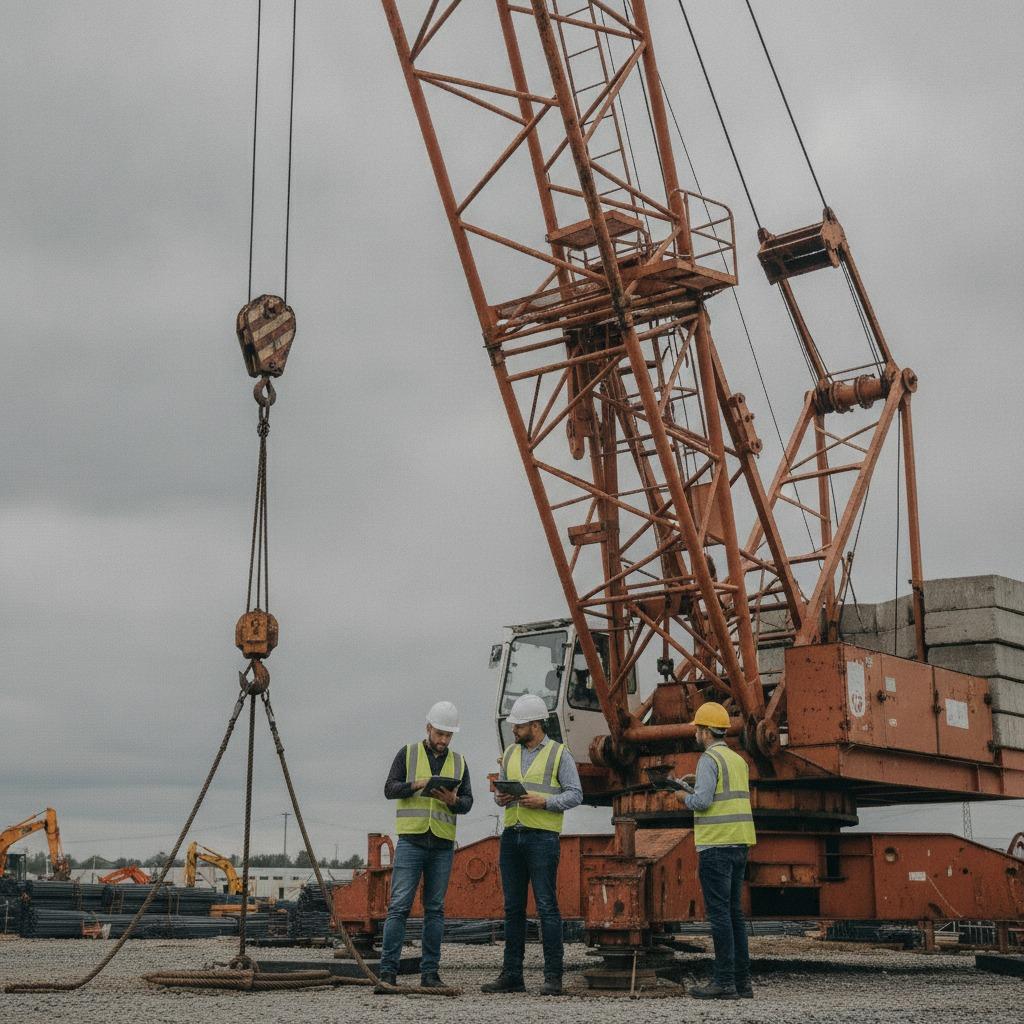
The visible structure is easy enough to recognize: a tall lattice mast, a long horizontal jib, a counterjib, and a suspended hook block. That classic tower crane shape is what gives the machine its reach over high-rise jobsites, concrete pours, rebar bundles, formwork, and general material handling. What the image cannot tell you is just as important. Load chart, mast section condition, control system, tie-in history, and service record are the details that decide whether the crane is a practical buy or an expensive detour.
Why buyers consider a pre-owned tower crane
For many contractors, a pre-owned tower crane is about matching capital spend to project reality. A new crane may be the right answer for a long pipeline of projects, but not every company has that workload. Sometimes the better choice is a crane that already has operating life behind it, provided the structure and mechanical systems remain sound.
A second hand tower crane can also shorten the path to deployment if the right unit is available through a tower crane supplier or dealer familiar with dismantling and reassembly. That said, “cheap tower crane” should not be the decision rule. Low acquisition cost can disappear quickly if the machine needs mast repairs, replacement wire rope, or electrical work after it reaches site.
Quick buyer check: what you can tell from the crane itself
The type of crane matters before you talk price. A luffing jib tower crane behaves differently from a flat top tower crane, especially in tight urban sites where jib movement and airspace restrictions shape the lift plan. A flat top design may be easier to handle during assembly and transportation, while a luffing jib machine can suit congested environments where oversailing is limited.
Even when a used tower crane looks clean, the buyer should verify:
Structure
The mast, jib, and counterjib should show no obvious distortion, impact damage, or heavy corrosion at connections. Welded steel lattice sections deserve close inspection because repairs can be costly and sometimes hard to validate.
Mechanical condition
Hoisting components, trolley travel parts, slewing system, and the hook block should be checked for wear. On older machines, small issues tend to stack up. A tired trolley wheel or uneven slewing behavior may look minor, but they often point to broader maintenance neglect.
Configuration fit
The crane must suit the project height, reach, and lifting pattern. A used construction crane with the wrong jib length or insufficient capacity at the tip is not a bargain, no matter how attractive the listing is.
Common mistakes in the used crane market
One frequent mistake is buying on brand reputation alone. A used Zoomlion tower crane, for example, may be a sensible option if the particular unit is well documented and the parts support is available in your region. But no brand name can rescue a machine with missing records or a history of hard service.
Another mistake is ignoring dismantling and reinstallation. Tower cranes are modular, but modular does not mean simple. Buyers sometimes focus on the equipment price and underweight crane supplier support, transport planning, and site assembly requirements. Those costs can be substantial.
A third mistake is assuming all tower cranes are interchangeable. They are not. A top-slewing unit, a flat top tower crane, and a luffing jib tower crane each bring different operational constraints. Site logistics, neighboring structures, and local regulations can make one configuration much more suitable than another.
Practical advice for sourcing teams and project managers
Ask for service history, inspection documents, and the parts list before the machine is reserved. If the seller cannot show how the crane was used, maintained, and stored, proceed cautiously. Outdoor storage, repeated dismantling, and long idle periods can all affect condition in ways that are not obvious from photos.
It also helps to involve the lifting engineer early. They can check whether the available mast sections, tie-in arrangement, and foundation plan align with the job. That conversation may feel premature when you are still comparing listings, but it prevents buying a crane that cannot be configured safely for the site.
If you are comparing a used tower crane with rental or new equipment, use the same yardstick: project duration, lifting frequency, site access, and risk tolerance. The right answer is often the one that reduces total project friction, not the one with the lowest sticker price.
What to ask a tower crane supplier before you commit
A serious tower crane supplier should be able to explain the crane’s configuration, highlight missing components, and identify anything that needs replacement before shipment. Buyers should also ask whether the crane is sold as-is, refurbished, or partially dismantled. Those terms matter. They shape both the budget and the timeline.
If a deal sounds unusually low, check what is missing. The tower may be intact, but the real cost can hide in accessories, control gear, or replacement parts. That is where a cheap tower crane stops looking cheap.
FAQ for buyers comparing used construction equipment
Is a used tower crane always cheaper than new?
Not always in total project cost. The purchase price may be lower, but transport, assembly, refurbishment, and downtime risk can change the economics quickly.
Should I choose a flat top tower crane or a luffing jib tower crane?
That depends on the site. Flat top models are often preferred for assembly simplicity, while luffing jib cranes can be better where space is tight.
Can photos confirm crane condition?
Only partially. Photos can show visible structure and finish, but they cannot confirm internal wear, electrical condition, or load performance.
Next step for serious buyers
If you are evaluating a used tower crane, start with the job requirements, then work backward through condition, configuration, and support. That order saves time. It also keeps the purchase tied to real site needs instead of a tempting listing.
Before you sign anything, request the inspection record, confirm the exact crane type, and make sure your lifting team has reviewed the setup plan. A good pre-owned tower crane can serve for years. The wrong one can turn into a standing reminder that in this market, structure matters more than shine.