Why a used tower crane deserves a serious look
Buying a used tower crane can be a smart move when the job needs height, reach, and a fixed lifting setup without the cost of a brand-new machine. For contractors, equipment buyers, and project managers, the real question is not whether a second hand tower crane is cheaper, but whether it is the right fit for the site, the schedule, and the load profile. That distinction matters. A cheap tower crane that looks attractive on paper can become expensive fast if it lacks the reach, configuration, or service history your crew actually needs.
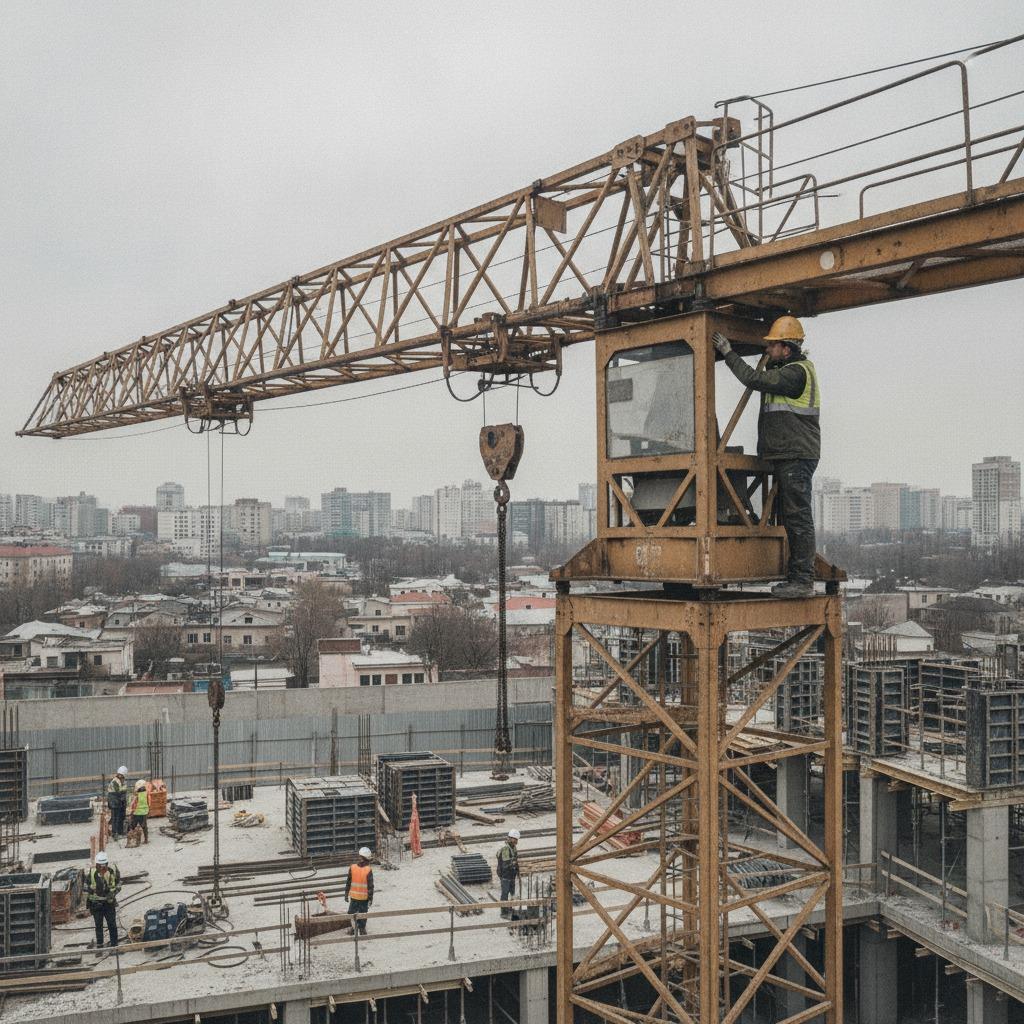
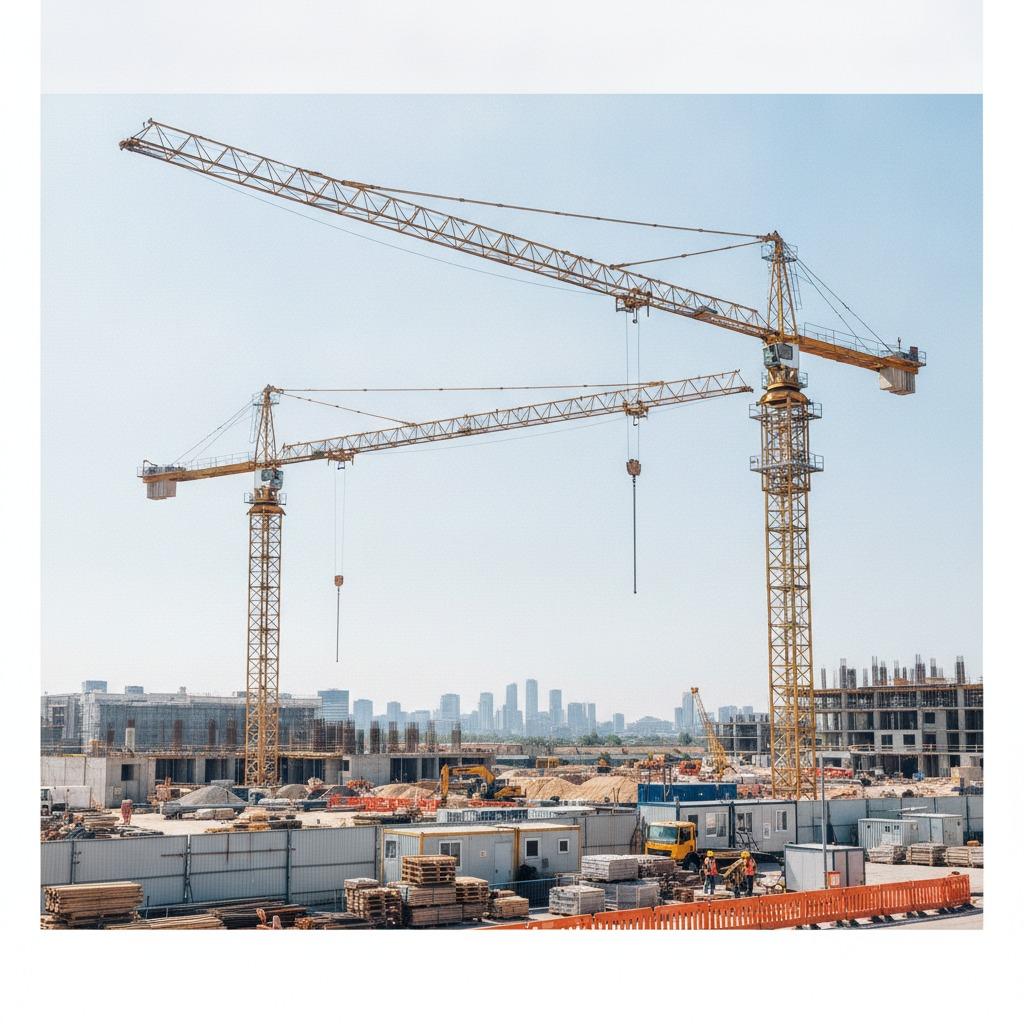
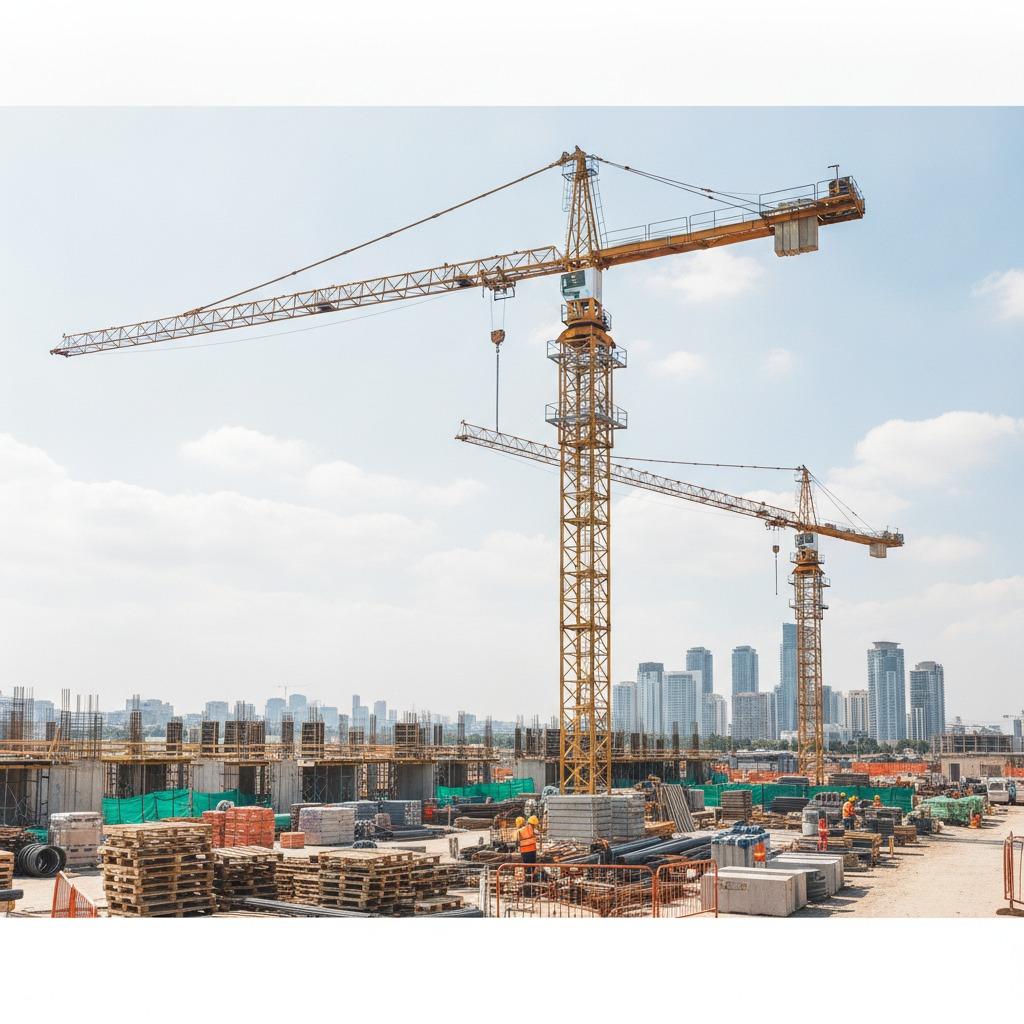
Tower cranes are built for vertical and horizontal material movement on busy construction sites. Their tall steel lattice mast, rotating slewing unit, long jib, and counter-jib give them the footprint and radius needed for multi-story work. When that structure is already in place as a pre-owned tower crane, the buyer is really purchasing time, access, and lifting capability in one package. The challenge is separating visible steel from hidden risk.
What the crane is typically used for
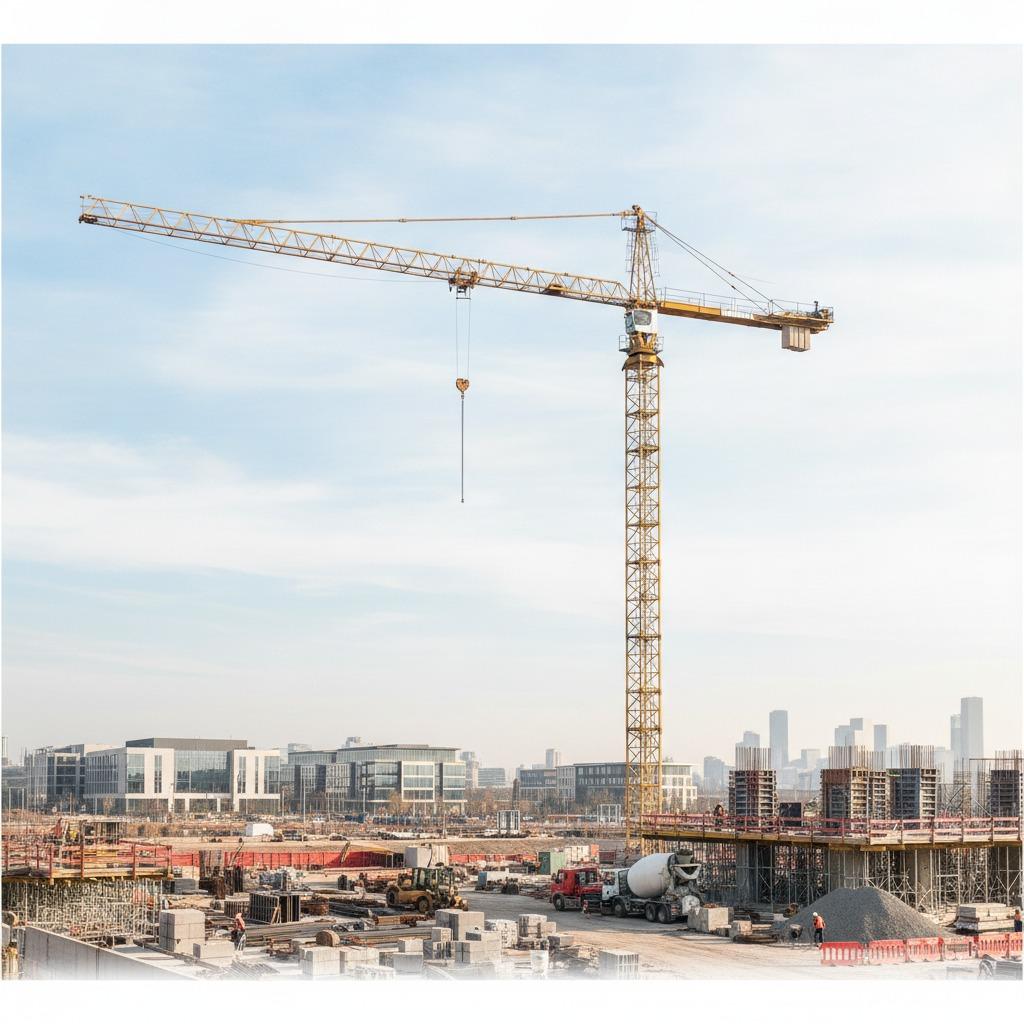
A used construction crane in this category is commonly deployed for multi-story building construction, structural steel handling, concrete placement support, and palletized material lifting. On congested sites, the fixed tower configuration is often the main advantage. It can serve a wide working area without the repeated repositioning that smaller machines require.
From the outside, the crane’s tall mast and long horizontal boom tell you a lot, even when the exact model is not visible. A standard hammerhead-style arrangement may suit general lifting. A luffing jib tower crane can be preferable where airspace is tight or nearby structures limit swing radius. A flat top tower crane may help when crews need easier assembly and less interference at the top of the structure. Those choices are not cosmetic; they shape how the crane behaves on site.
Quick comparison before you buy
Used versus new
A new crane usually offers more certainty around condition and configuration, but a used tower crane may deliver faster availability and a lower capital commitment. If the project is short, seasonal, or tied to a single development phase, the used route often makes more sense.
Standard tower crane versus specialty types
Not every job needs a luffing jib tower crane. Not every job benefits from a flat top tower crane either. The wrong geometry can slow lifting cycles, complicate assembly, or create interference with adjacent structures. Buyers should match the crane type to the site rather than chase a model name.
What to check on a pre-owned tower crane
The most practical review starts with the structure. Look closely at the steel lattice mast, bolted tower sections, slewing unit, jib, counter-jib, and visible wear on the painted finish. Surface wear is not automatically a dealbreaker, but uneven corrosion, damaged truss members, or questionable repairs should raise questions immediately.
Ask for the full equipment record if it exists: service intervals, inspection history, parts replaced, and whether the crane has been dismantled and stored properly. For a tower crane supplier, transparency is a better signal than a polished sales sheet. If key information is missing, treat that as a warning rather than a minor gap. It often is not minor.
Also confirm the intended configuration. The same crane family can behave very differently depending on jib length, height, counterweight setup, and site assembly method. A used zoomlion tower crane, for example, may be a practical option if the seller can document the configuration and parts support, but the brand name alone should never be the deciding factor.
Common buyer mistakes
One frequent mistake is assuming that “used construction equipment” means interchangeable equipment. It does not. A tower crane is a site-specific system, and the wrong choice can create delays in transport, assembly, commissioning, or maintenance support. Another mistake is focusing only on price. Cheap tower crane listings can hide the cost of inspection, refurbishment, missing components, and site integration.
Buyers also sometimes overlook access constraints. A tall freestanding mast and long horizontal reach are attractive until the site layout, delivery route, or foundation planning becomes the real bottleneck. That is where early coordination saves money. Not glamorous, but essential.
How to decide if the crane fits your job
Start with the lift plan. What materials will move most often? Rebar bundles, formwork, steel sections, concrete-related loads, or mixed general materials? Then check whether the crane’s visible reach and fixed-site lifting configuration support those movements efficiently. A used construction crane should reduce handling, not force crews into awkward workarounds.
Next, think about site duration. If the project will run long enough to justify setup and maintenance, ownership or long-term acquisition may be sensible. If not, rental or a shorter-term arrangement may be the better commercial decision. A tower crane supplier should be able to discuss that tradeoff in practical terms, not just send a brochure.
Buyer advice that tends to save trouble
Insist on documentation for major structural and mechanical components. Verify what is included in the sale and what is not. Missing hook assemblies, trolley parts, counter-jib items, or control components can delay a project more than expected. And before you sign anything, make sure the site team understands assembly, inspection, and operating responsibilities. The machine is only one part of the decision.
If you are comparing a second hand tower crane against a newer machine, make the comparison on lifecycle cost, not purchase price alone. The lowest sticker price is rarely the lowest total cost once transport, erection, maintenance, and downtime are counted.
Next step
If a used tower crane is on your shortlist, build the decision around site fit, documented condition, and available support. That approach is more demanding than chasing the cheapest listing, but it is also how experienced buyers avoid expensive surprises.