Why a used tower crane can make sense
A used tower crane is one of those purchases that can quietly reshape a project budget. For contractors and equipment buyers, the appeal is obvious: you get the lifting reach, height, and site productivity of a tower crane without paying new-equipment pricing. On paper, that sounds simple. In practice, the right decision depends on far more than a low asking price.
The real question is not whether a second hand tower crane is cheaper. It is whether it can still do the job safely, legally, and with enough reliability to keep the schedule moving. That matters especially on multi-story building sites, where a crane is not a support item. It is the machine that keeps rebar, formwork, pallets, concrete buckets, and steel sections flowing to the right place at the right time.
What you are really buying
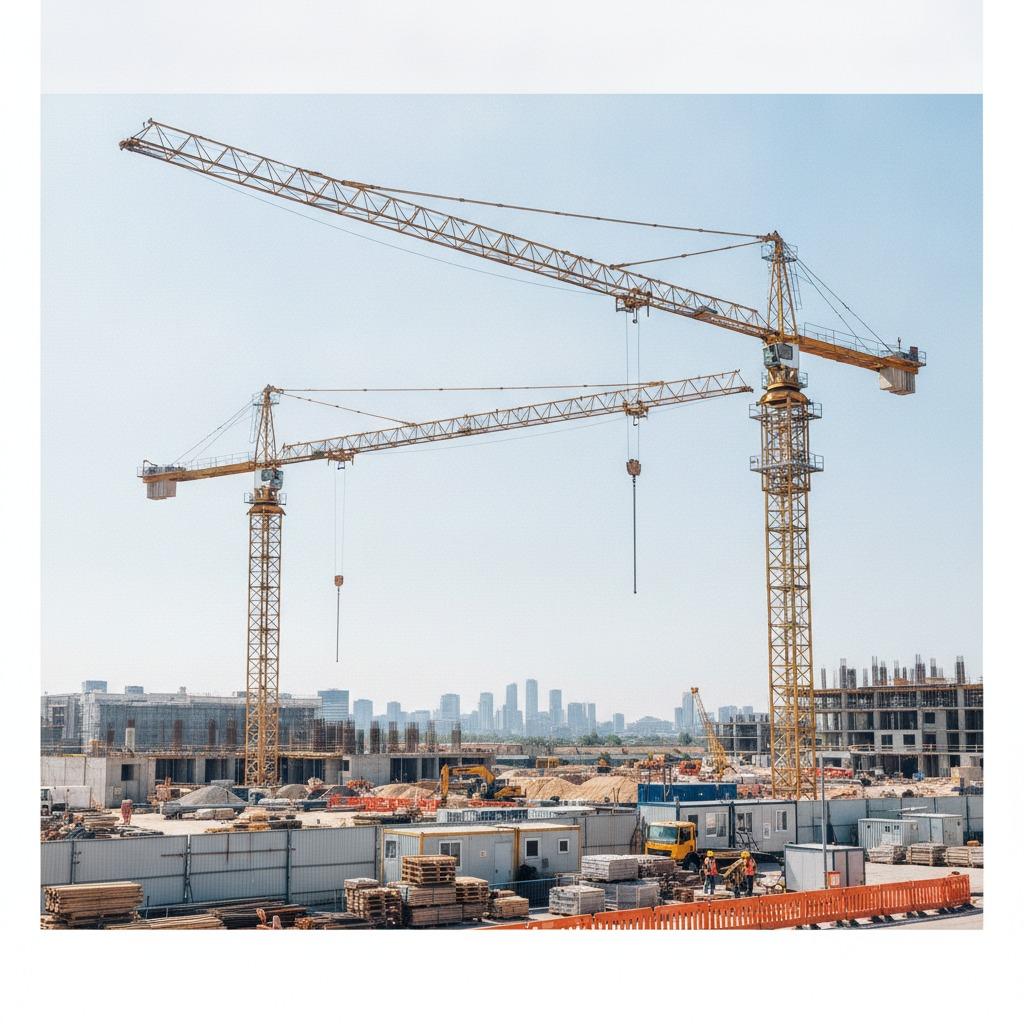
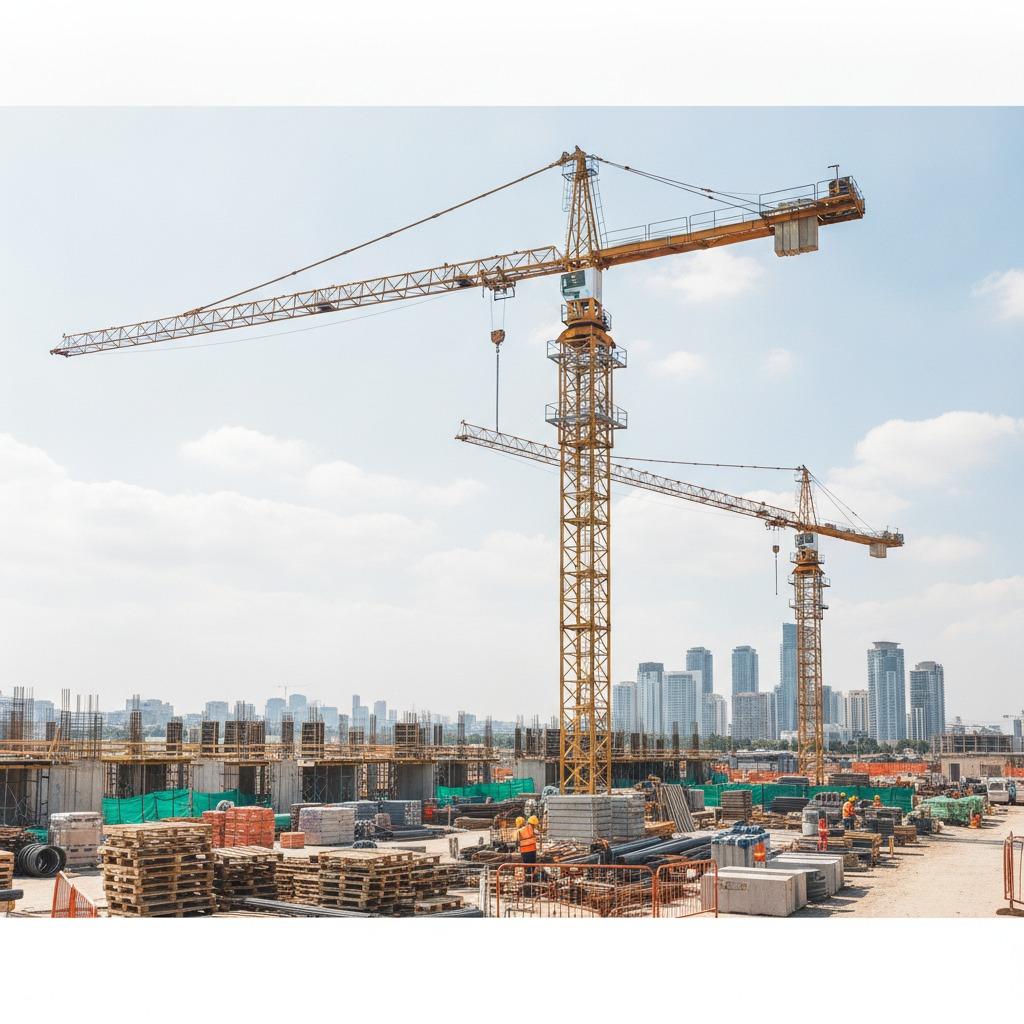
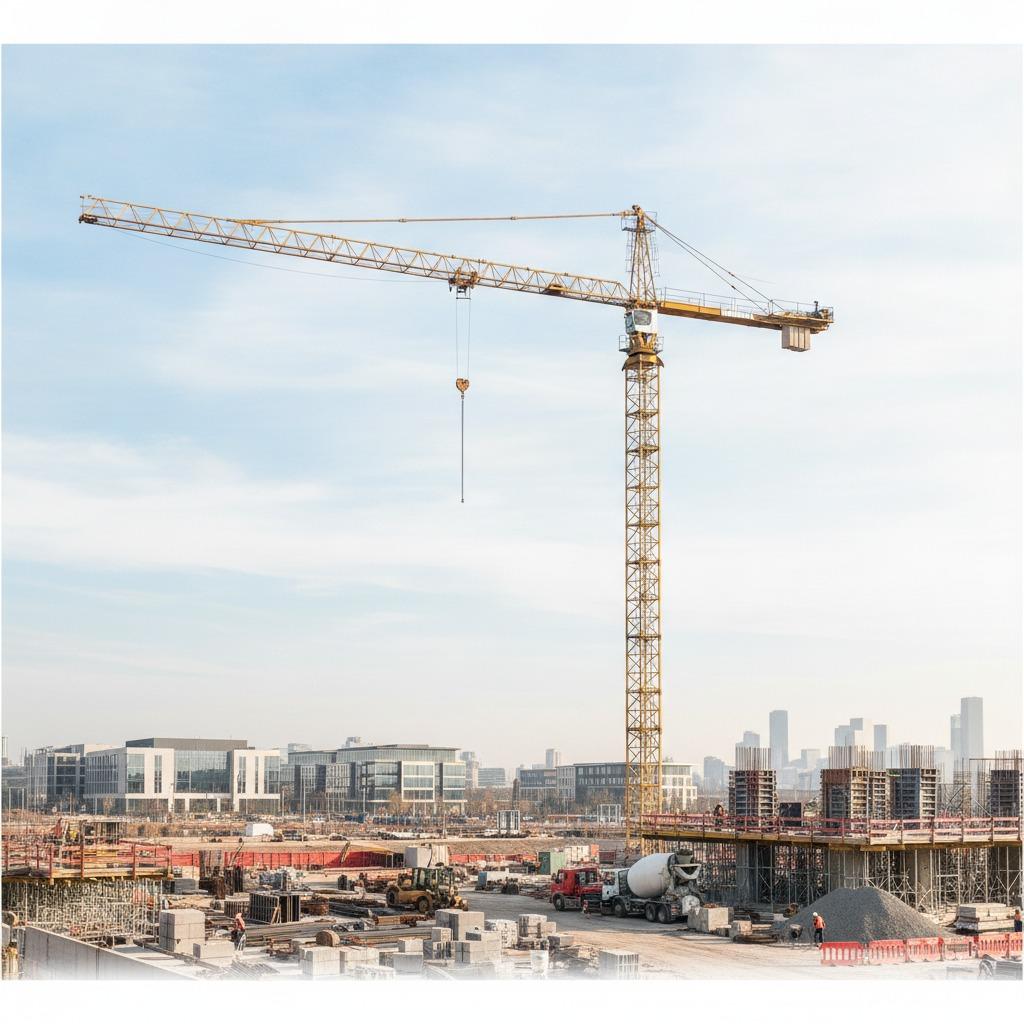
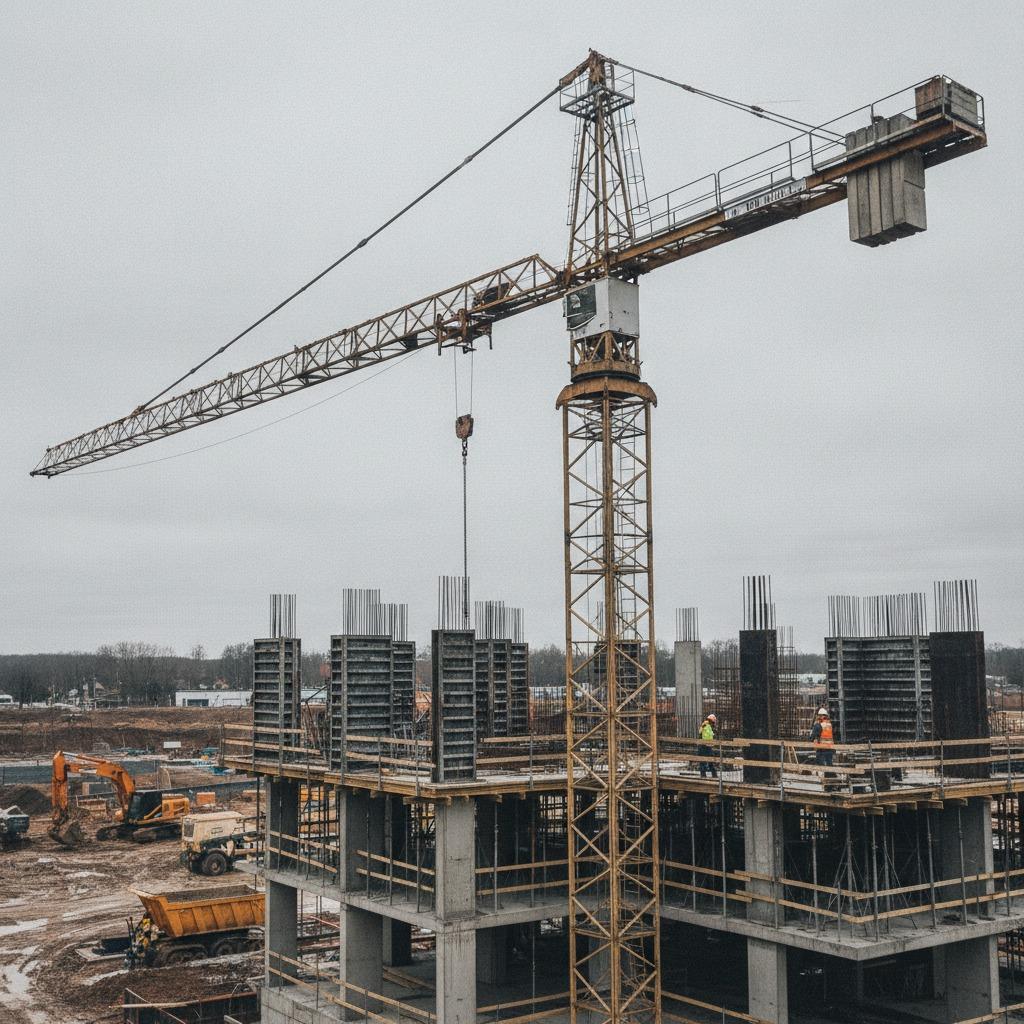
A tower crane is a steel lifting structure built around a tall lattice mast, a horizontal jib, a counter-jib, and a suspended hook block. The cranes shown in the reference material have the familiar industrial look: painted steel lattice sections, long horizontal reach, and the upright geometry that allows them to work over a building footprint. That design is not decorative. It is what gives the machine its reach and lifting height.
Buyers shopping for used construction equipment often focus on the visible frame and miss the parts that determine future cost. Pins, bolts, electrical systems, slewing components, trolley assemblies, hoists, and cabin condition all matter. The structure may look straightforward from the ground, but tower cranes are a combination of heavy welded fabrication and mechanical systems that have been through a hard life on site.
Used, pre-owned, or second hand: the practical difference
In the market, used tower crane, pre-owned tower crane, and second hand tower crane usually mean the same thing. The wording matters less than the actual condition history. A clean-looking machine with a rough maintenance record is a poor bargain. A well-kept older crane with documented service can be a better buy than a flashy cheap tower crane listing with missing records.
That is especially true when the crane is being considered for a long project rather than a short lift campaign. Buyers sometimes chase the lowest sticker price and forget that disassembly, transport, inspection, assembly, and site integration can outweigh the savings. The machine may be affordable; the project disruption may not be.
Common tower crane types buyers compare
Flat top tower crane
A flat top tower crane is often attractive where headroom, multiple cranes, or tight site coordination matter. The simplified top profile can help with assembly and site planning, although the exact benefits depend on the model and project layout.
Luffing jib tower crane
A luffing jib tower crane is usually chosen for tighter urban sites or projects with overhead constraints. The jib angle can be adjusted to manage clearance, which is useful when buildings rise close together. It is not the right answer for every site, but it solves real congestion problems.
Conventional horizontal jib crane
Many used tower crane listings fall into the conventional horizontal jib category, like the cranes visible here. They are easy to understand, offer a long working radius, and remain a common choice for general building work.
What to inspect before buying
Start with the mast sections and jib structure. Look for corrosion, repair patches, bent lattice members, and uneven wear around bolted connections. Then move to the mechanical systems. A crane can look acceptable and still hide problems in the trolley, hoist, slewing ring, or brakes.
Next, ask for maintenance logs, inspection records, and any available parts history. If the seller cannot produce even basic documentation, treat the deal cautiously. A tower crane supplier with organized records is usually a better starting point than a vague listing with few answers.
Also check compatibility. A pre-owned tower crane may be mechanically sound but still awkward to integrate if the project needs a specific base arrangement, jib configuration, or installation sequence. That becomes more important on busy sites where downtime is expensive and crane access is limited.
Where buyers make mistakes
The most common mistake is assuming all used construction cranes are equivalent because they are painted and standing upright. They are not. One machine may have years of controlled service and another may have been patched together for resale. The difference shows up later, often at the worst possible moment.
Another mistake is buying for the image of the crane rather than the work it must perform. A long reach looks impressive, but if the project mostly needs compact placement, the wrong geometry just adds complexity. Likewise, a used zoomlion tower crane or any branded machine should be evaluated on condition, supportability, and suitability, not brand name alone.
Buyer-facing questions worth asking
Ask what loads the crane was used to handle, how often it was moved, whether major components have been replaced, and what documentation comes with the machine. If the seller cannot answer directly, that is a warning sign. It is also fair to ask how the crane will be dismantled and shipped. The cheapest crane can become the most expensive one once logistics are added.
For many teams, the decision comes down to this: do you need a bargain, or do you need dependable lifting capacity with manageable risk? Those are not the same thing.
When a used tower crane is the right choice
A used tower crane makes sense when the project has clear lifting needs, the site can support installation, and the buyer has a realistic plan for inspection and commissioning. It is often a strong option for contractors building repeatable mid-rise structures, or for firms that want to expand fleet capacity without waiting on a new build schedule.
If you are comparing a used tower crane against rental or new purchase, focus on total project value: mobilization, service access, spare parts, assembly risk, and likely duty cycle. That is where the real decision lives.
Next step
Before you commit to any used construction crane, ask for full equipment details, photographs of major assemblies, and whatever maintenance history is available. A serious tower crane supplier should be willing to discuss the machine openly. If the answers stay vague, keep looking. In this market, clarity is worth more than a low headline price.